April 17, 2026
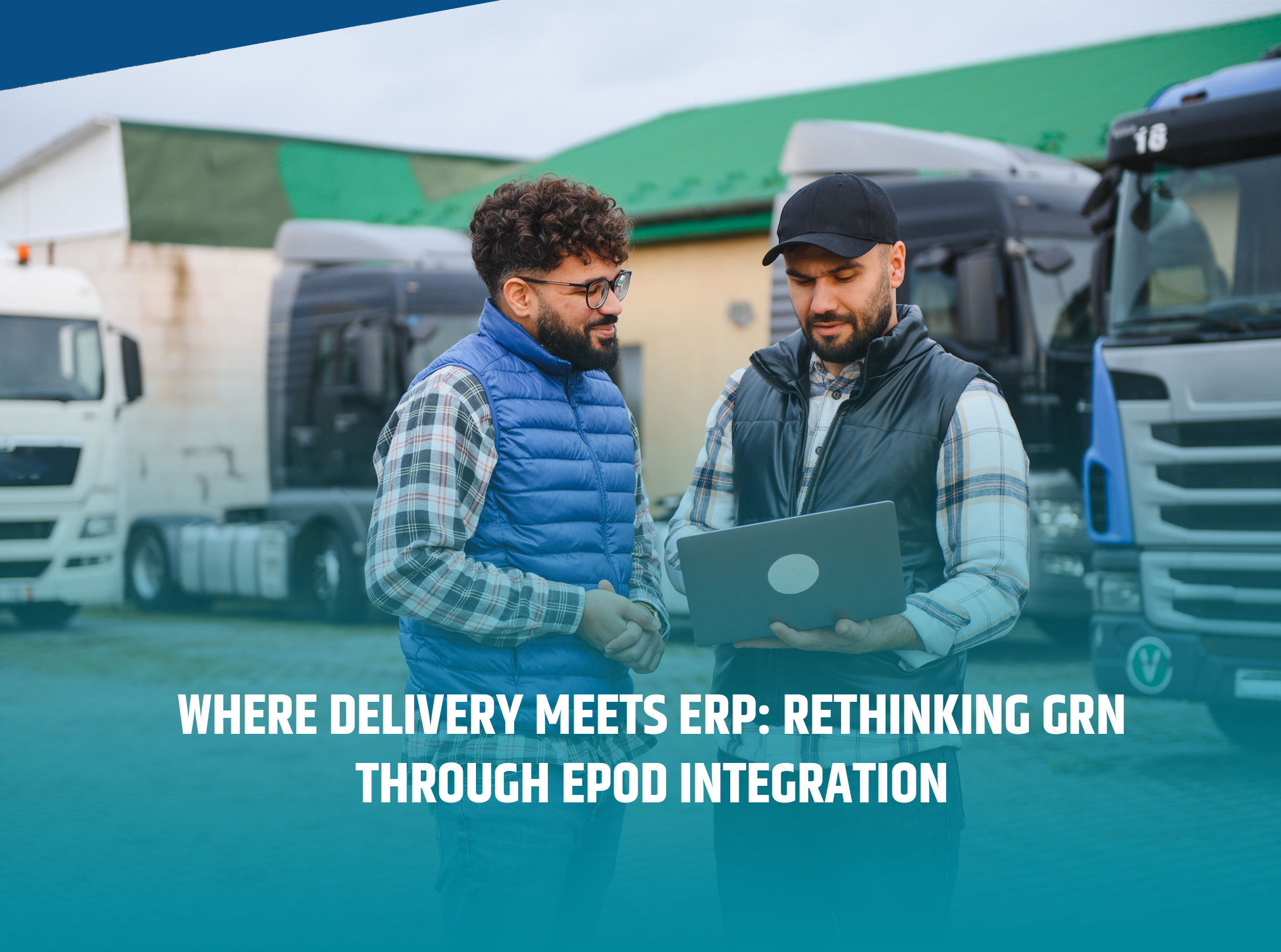
Delivery may feel complete when the truck reaches the customer location—but operationally, that’s only half the journey.
In logistics operations, delivery is truly complete only when it is recorded, validated, and accepted inside the ERP system.
Every day, thousands of shipments are delivered across warehouses, distributors, and customer locations. But between physical delivery and ERP confirmation lies a silent operational gap.
This gap—often overlooked—directly impacts billing cycles, working capital, and operational efficiency.
Let’s explore how traditional delivery-to-GRN workflows create bottlenecks—and how ePOD integration is redefining delivery as a real-time system event.
In a typical logistics workflow, delivery and system updates do not happen simultaneously.
Instead, there is a delay between physical delivery and ERP acknowledgment.
In traditional operations, once the shipment reaches the customer location, the driver collects a physical Proof of Delivery (POD).
This document is then shared through phone calls, emails, or messaging apps before reaching warehouse or accounts teams.
Only after verification does the team create the GRN (Goods Receipt Note) inside the ERP.
This multi-step manual process introduces delays and increases operational dependencies.
Delivery may happen on the ground, but the ERP system remains unaware until someone manually updates the data.
This disconnect between execution and system recording creates visibility gaps across logistics, warehouse, and finance teams.
As a result, companies often experience:
Even a delay of a few hours can significantly affect cash flow in high-volume logistics operations.
Even organizations using advanced ERP systems like SAP often depend on manual validation before GRN creation.
This introduces operational inefficiencies that slow down financial workflows.
GRN creation typically involves coordination between drivers, warehouse teams, and finance departments.
Each dependency adds time to the process, increasing the chances of communication delays.
Manual entry of delivery confirmation into ERP systems often leads to delayed updates.
Until GRN is created, downstream processes such as invoicing and reconciliation cannot begin.
Since delivery data is captured outside the ERP initially, teams must manually reconcile logistics records with ERP data.
This creates additional administrative workload and increases the risk of inconsistencies.
In short, delivery may be completed physically—but from a system perspective, it remains pending.
Electronic Proof of Delivery (ePOD) fundamentally changes how delivery events are captured and processed.
Instead of treating POD as a document that moves after delivery, ePOD treats delivery as a real-time digital event.
With ePOD systems, drivers capture delivery confirmation digitally using mobile devices.
This includes:
All delivery data becomes instantly available within the system.
With real-time electronic proof of delivery integration with ERP, delivery confirmation flows directly into the system.
This allows GRN creation to be triggered automatically without manual follow-ups.
The result is faster, more reliable delivery-to-system synchronization.
The true strength of ePOD lies in its ability to connect field execution with ERP workflows.
This integration significantly improves financial efficiency and operational speed.
Delivery confirmation automatically initiates GRN posting inside ERP systems.
This eliminates manual dependency and reduces process delays.
With GRN available in real time, billing teams can generate invoices immediately.
This reduces revenue delays and improves financial performance.
Digital workflows minimize the need for repeated calls, emails, and manual validation between teams.
Operations become faster and more predictable.
Digital capture reduces the risk of errors caused by manual entry or lost paperwork.
Reliable data improves audit readiness and reporting accuracy.
Faster GRN and billing cycles directly improve cash flow and reduce working capital blockage.
This enables businesses to operate more efficiently at scale.
The transformation driven by ePOD is not just automation—it is integration across the entire logistics ecosystem.
With end-to-end delivery-to-ERP integration, organizations gain real-time synchronization between field operations and enterprise systems.
This enables:
This eliminates the traditional lag between “delivery completed” and “delivery recorded.”
Today’s logistics environment demands speed, transparency, and operational precision.
Manual delivery confirmation processes can no longer support the complexity of modern supply chains.
Businesses today face increasing pressure to:
Digital transformation in logistics is no longer limited to tracking shipments.
It now involves ensuring that every operational event is instantly reflected inside core enterprise systems.
Delivery is no longer just a physical milestone—it is a critical data event that must seamlessly flow into ERP systems.
Organizations that adopt digital proof of delivery solutions gain faster processes, improved visibility, and stronger financial control.
This is where Spinclabs plays a vital role.
By enabling real-time ePOD integration with ERP platforms such as SAP, Spinclabs helps organizations bridge the gap between on-ground logistics execution and system-level updates.
From automated GRN creation to faster invoice processing, the platform ensures that delivery is not just completed—but instantly reflected across the business ecosystem.
As modern supply chains continue to evolve, success will depend not only on delivering on time—but ensuring that systems know it at the same moment.
👉 If your logistics operations still rely on manual POD-to-GRN workflows, it may be time to explore ePOD-enabled solutions that provide real-time integration, faster billing cycles, and stronger operational visibility.
Delivery may feel complete when the truck reaches the customer location—but operationally, that’s only half…
Read MoreDelivery may feel complete when the truck reaches the customer location—but operationally, that’s only half…
Read More
The FMCG industry moves fast—sometimes faster than the systems that support it. Every day, thousands…
Read More
Transport Management Systems (TMS): The Missing Layer Between ERP and Transporters Modern businesses rely heavily…
Read More
Reducing In-Transit Damage & Shipment Shortages Through Logistics Digitisation In-transit damage and shipment shortages are…
Read More
Why Temperature Control is Critical for Dairy Products & Frozen Snacks in Quick-Commerce Dairy products…
Read More
Let’s be honest: logistics is full of moving parts — literally and figuratively. Trucks, invoices,…
Read More
Vehicle safety is the most important aspect of any logistics business, and half of it…
Read More
For every fleet management, monitoring tyre pressure is just as important as keeping an eye…
Read More
While traditional logistics businesses remain less scalable because of their traditional modes of fleet management,…
Read More
Real-time visibility for fleets or trailers is as important as the fuel for a vehicle.…
Read More
Every logistics business requires efficiency, complete visibility, and cost control. But traditional transportation management systems…
Read More
Managing a fleet in traditional ways won’t work for your business operations anymore. The traditional…
Read More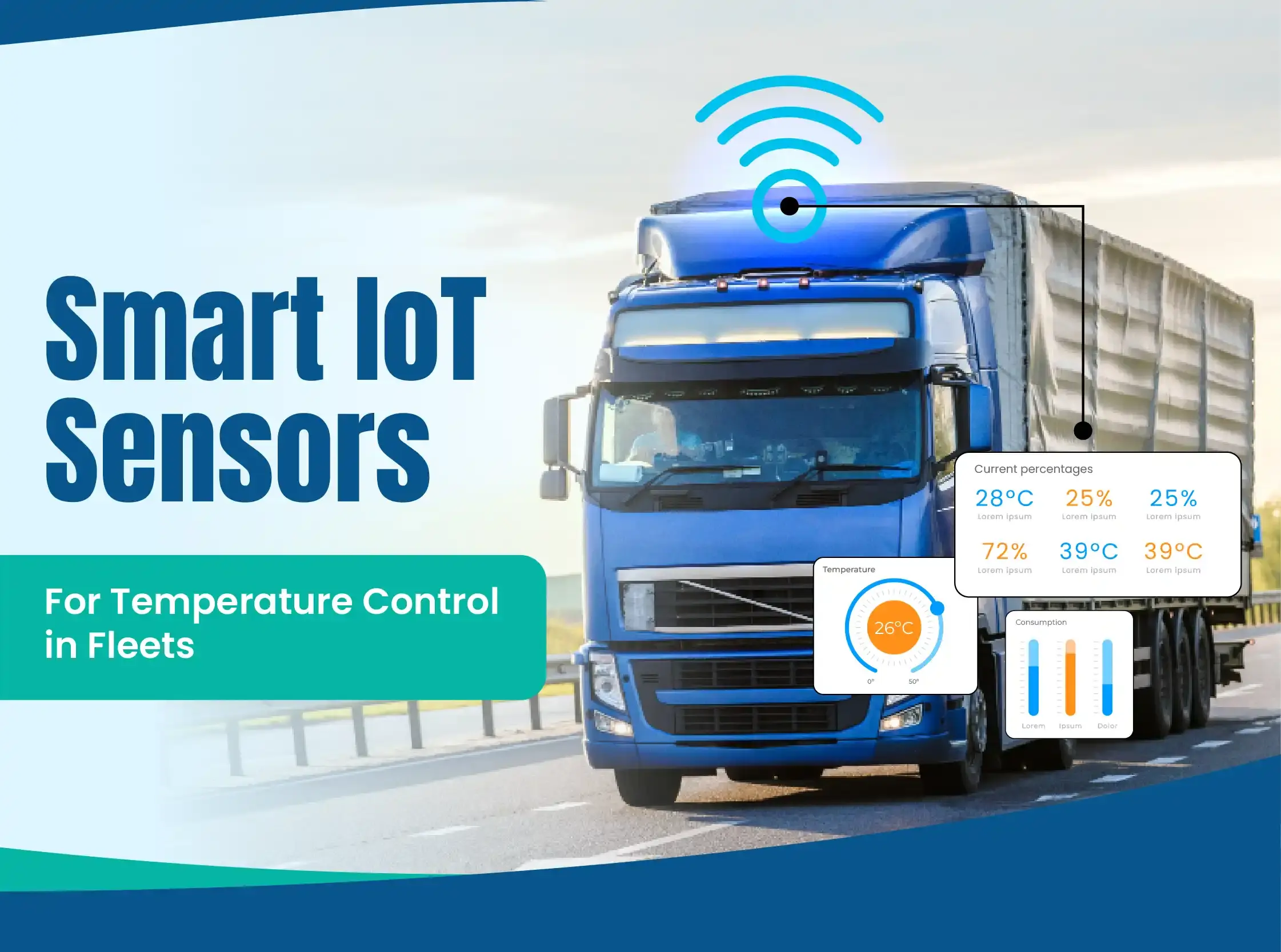
Traditional fleet management solutions lack temperature monitoring. This is why they remain inefficient in transporting…
Read More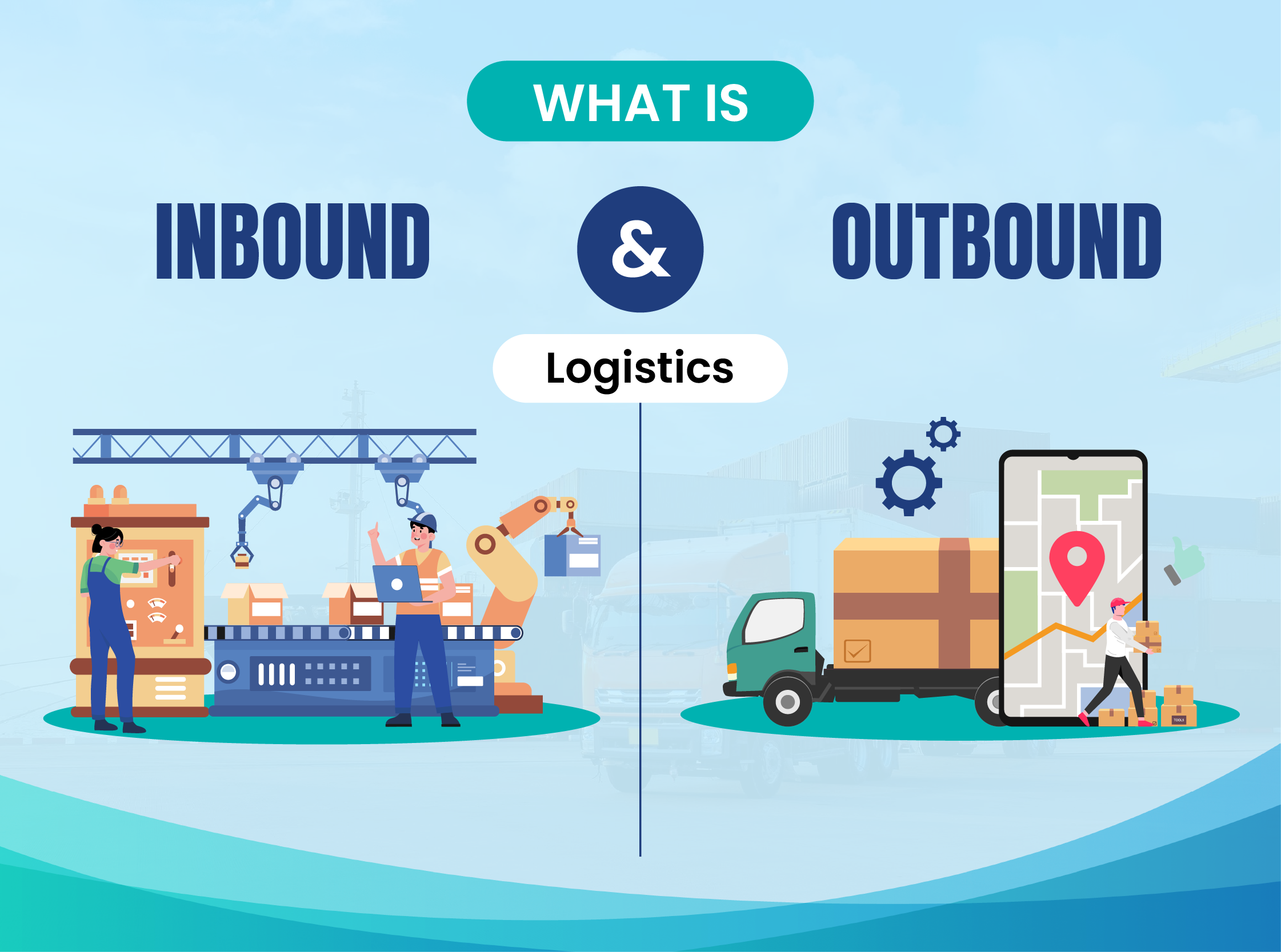
Have you ever thought about the term ‘Logistics’? The term is intricate and consists of…
Read More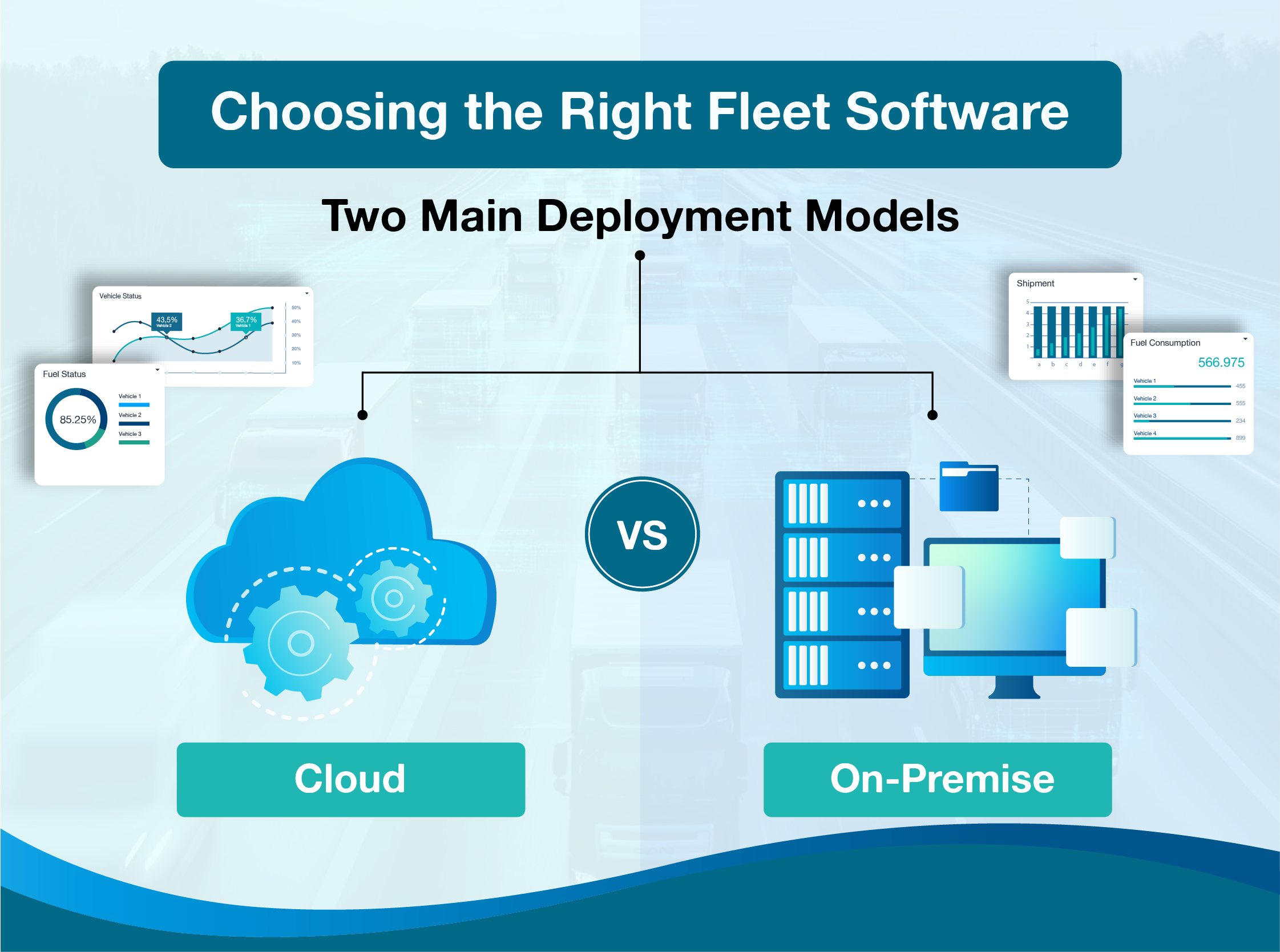
How do you manage your fleet? Traditional way or still using simple vehicle tracking for…
Read More
Advanced fleet management solutions can transform your business. Integrating a Fleet Management System with a…
Read More
In day-to-day scenarios, logistics businesses in India have to face a lot of complications, especially…
Read More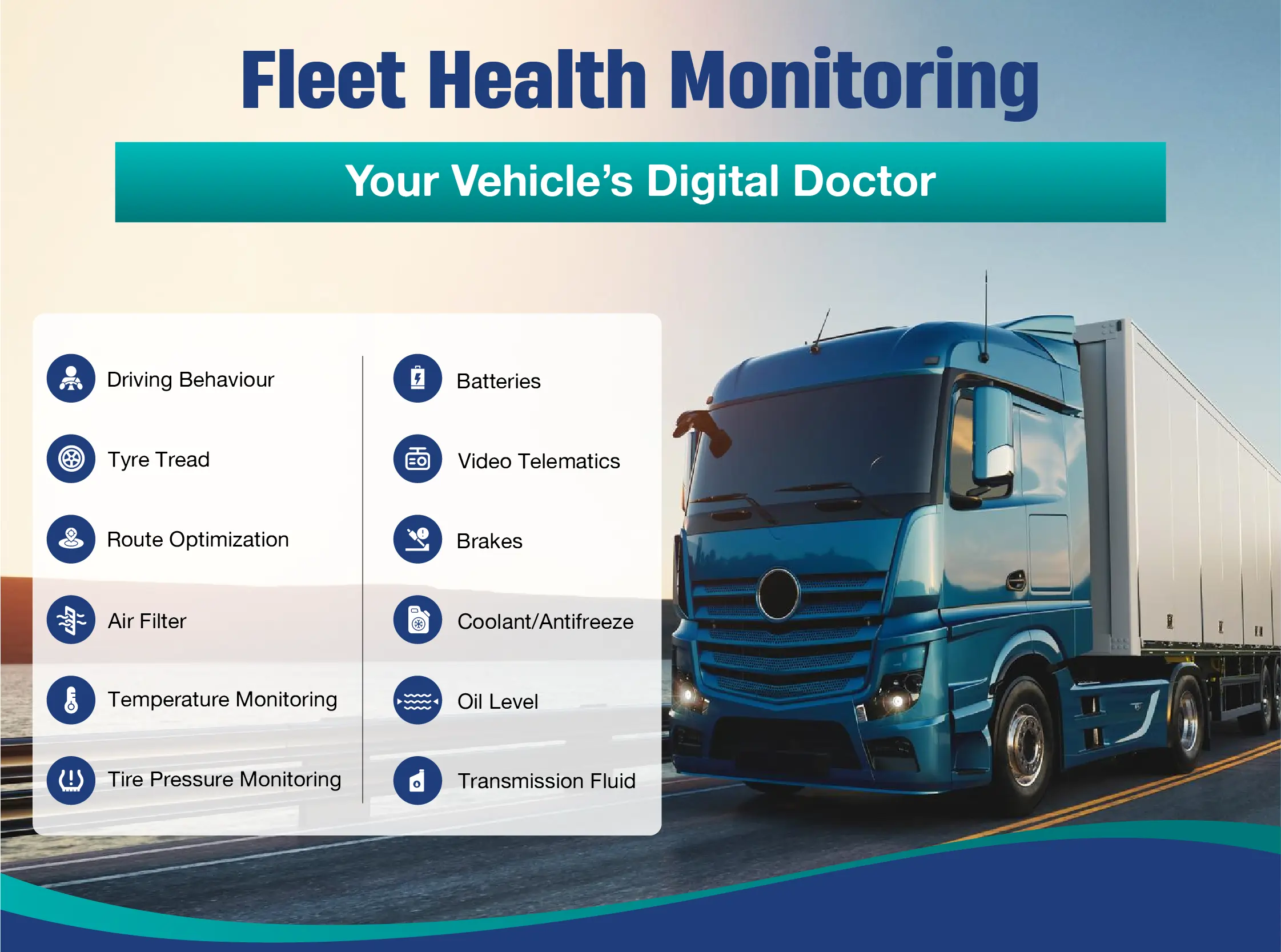
"Everyone wants their fleets to be efficient, and time efficient, and their business to be…
Read More
"Complete visibility means better fleet safety and compliance, but traditional ways never can give you…
Read More
"In fleet management safety, things can’t be dependent on unpredictability because this will make your…
Read More
A fleet’s profitability depends on many factors, and a series of small, unmonitored inefficiencies can…
Read More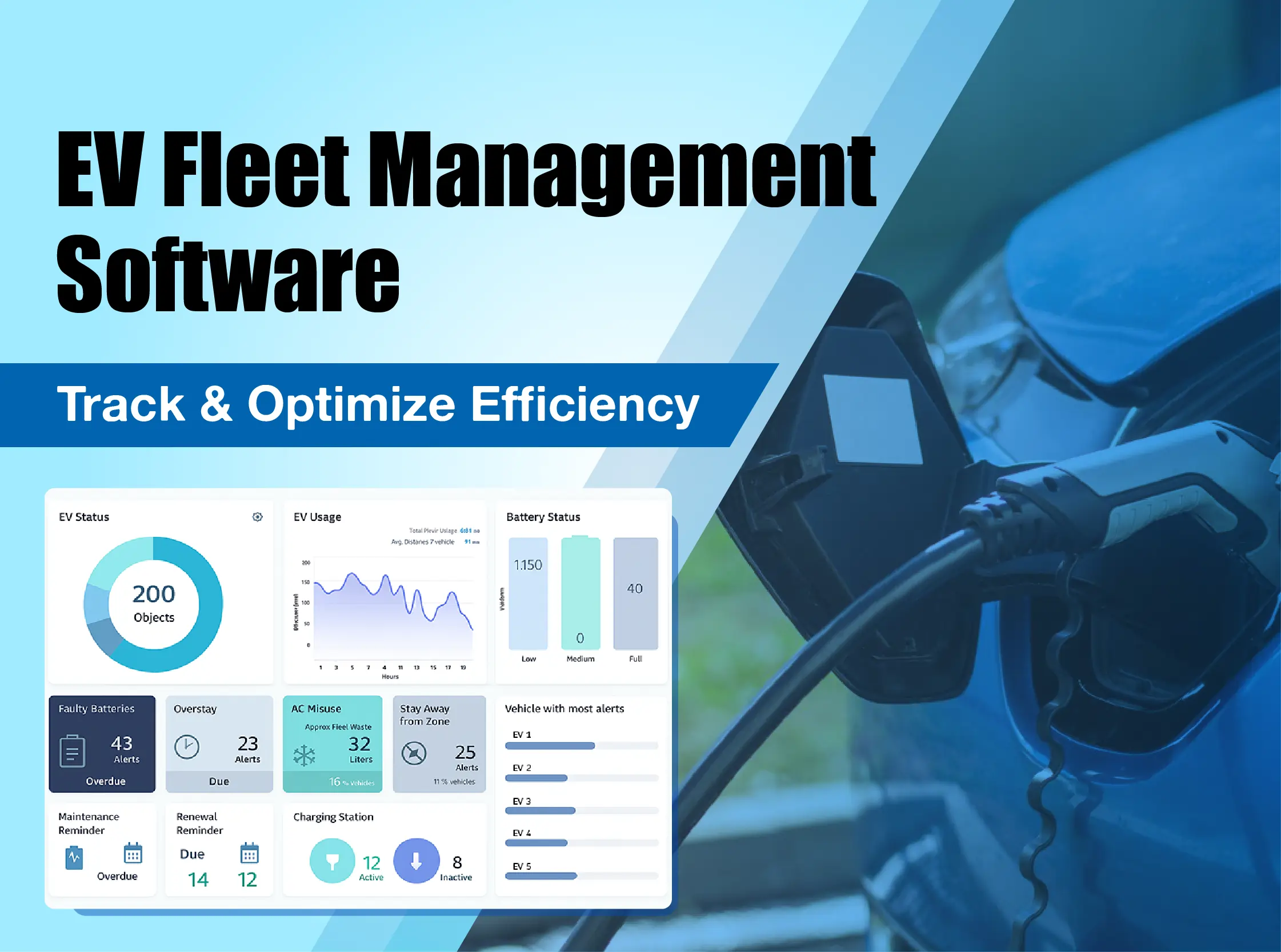
What if every logistics vehicle could run efficiently and could easily navigate through busy urban…
Read More
Do you feel frustrated and experience a familiar prick of anxiety whenever you navigate through…
Read More
"Have you ever lost your way inside complex spaces such as a hospital, airport, or…
Read More
“Tired of getting lost in maze-like hospital complexes? SpincLabs’ curated guide about ‘Indoor Navigation Systems’…
Read More
“The only momentum you should gain for your business is growth and scalability. Don’t let…
Read More
" Indoor navigation helps you where your GPS doesn’t. Yes, it is tough for satellite…
Read More
“Is your fleet management strategy stuck in the past? Nowadays, fleet management uses advanced technology,…
Read More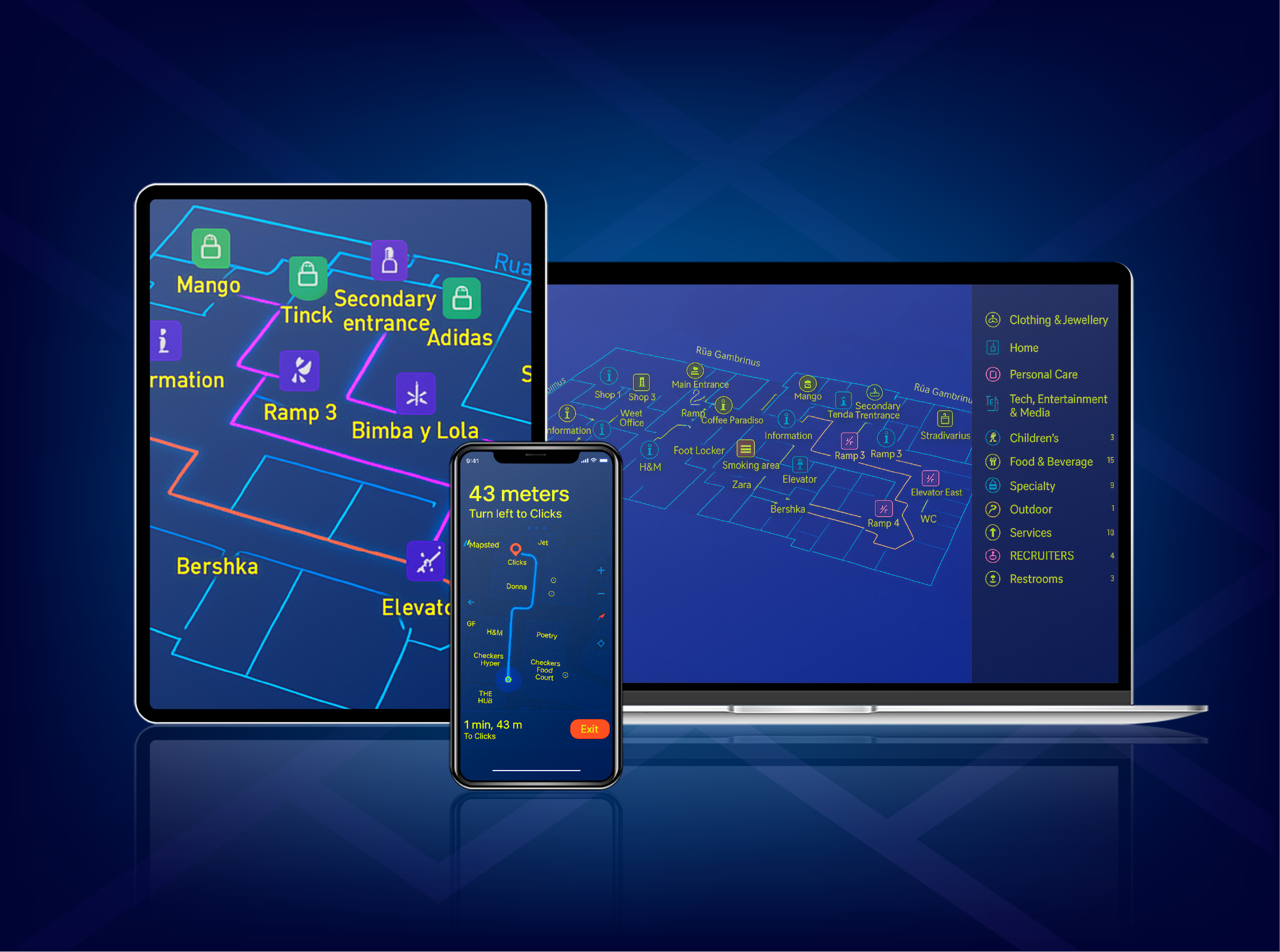
"Are your shoppers wandering aimlessly in your shopping mall to locate their favourite store? Do…
Read More
"Do you think the phrase ‘Fleet Management’ stands for managing trucks? You are not alone.…
Read More
"In the world’s largest archipelago, Indonesia, managing logistics often becomes a puzzle. Connecting each island…
Read More
“Have you ever wondered how to track vehicle location with GPS and how does this…
Read More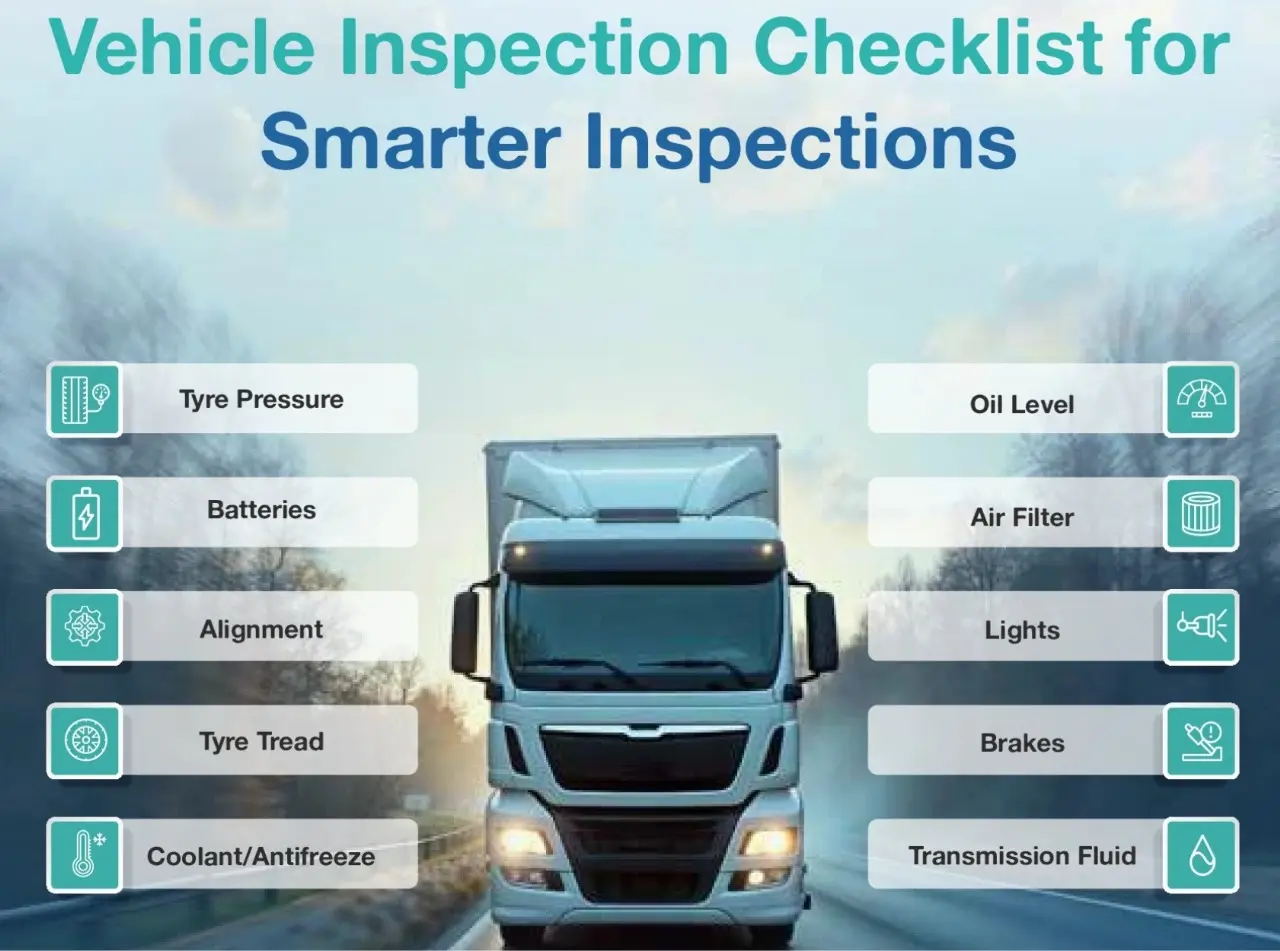
“Tired of tedious, unreliable manual vehicle inspections? SpincLabs’ curated guide gives you the power of…
Read More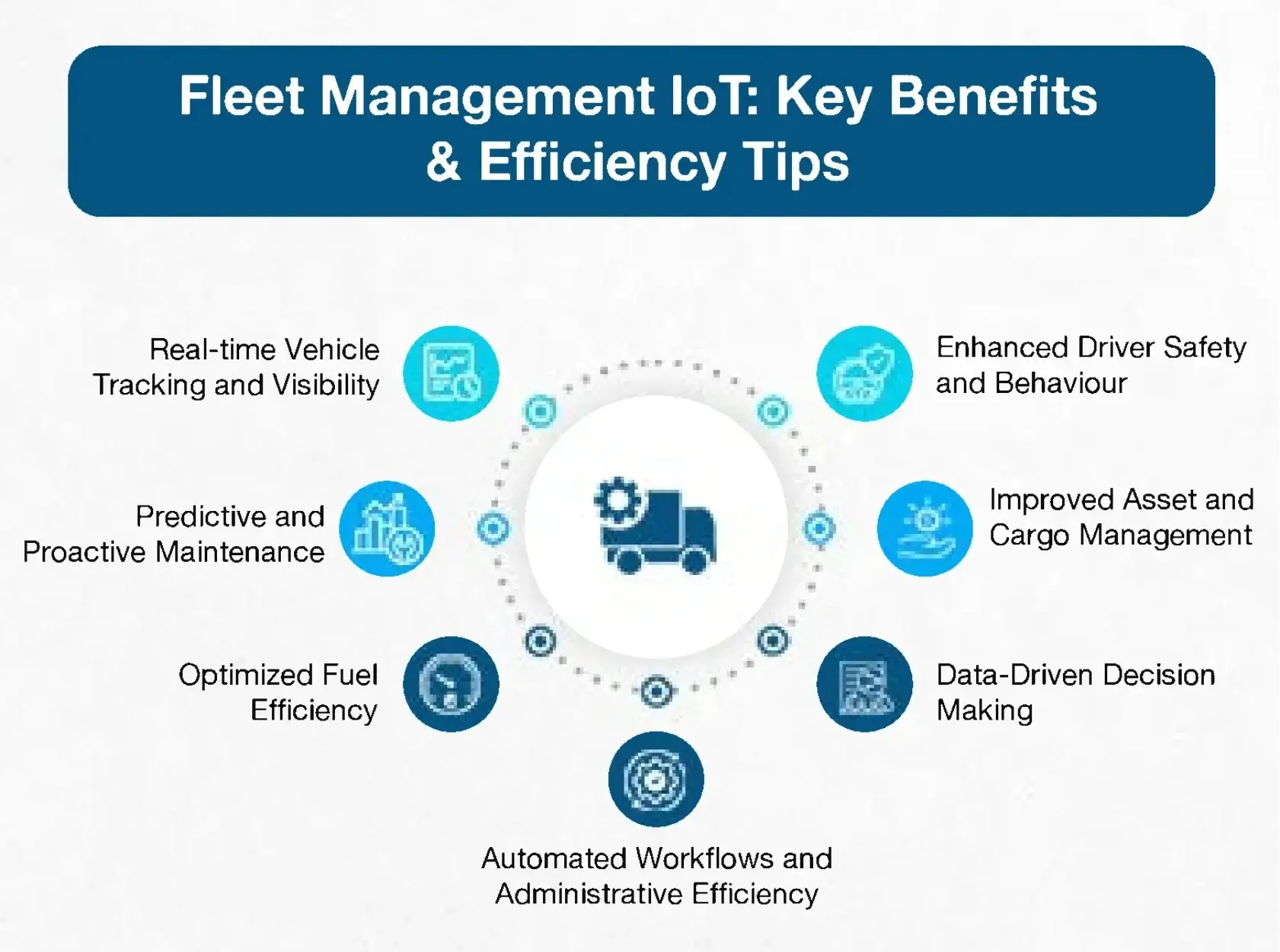
“Is your fleet management stuck in the past? This curated guide from SpincLabs will shed…
Read More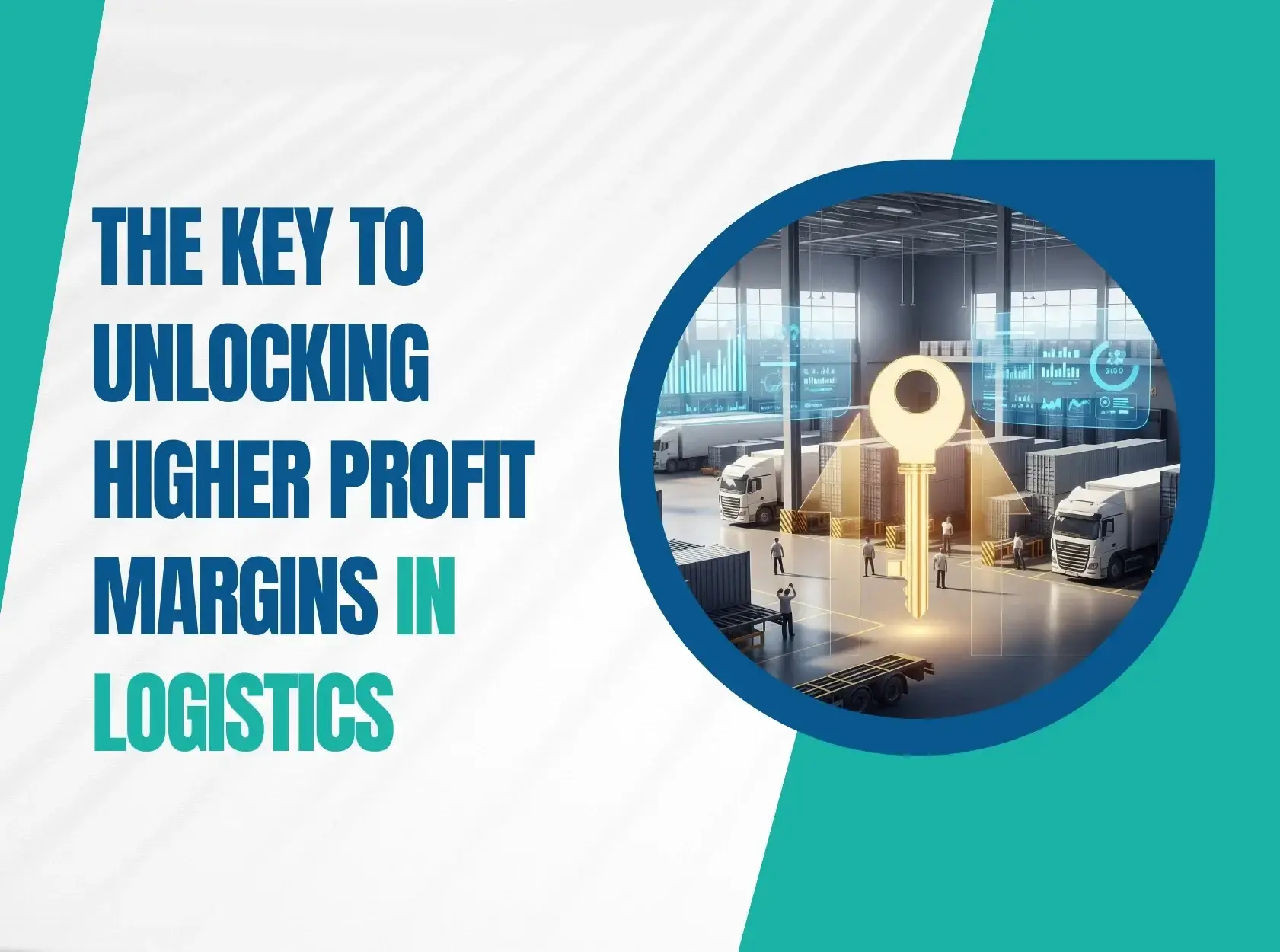
Why does it feel like your logistics budget has a secret escape plan? One minute,…
Read More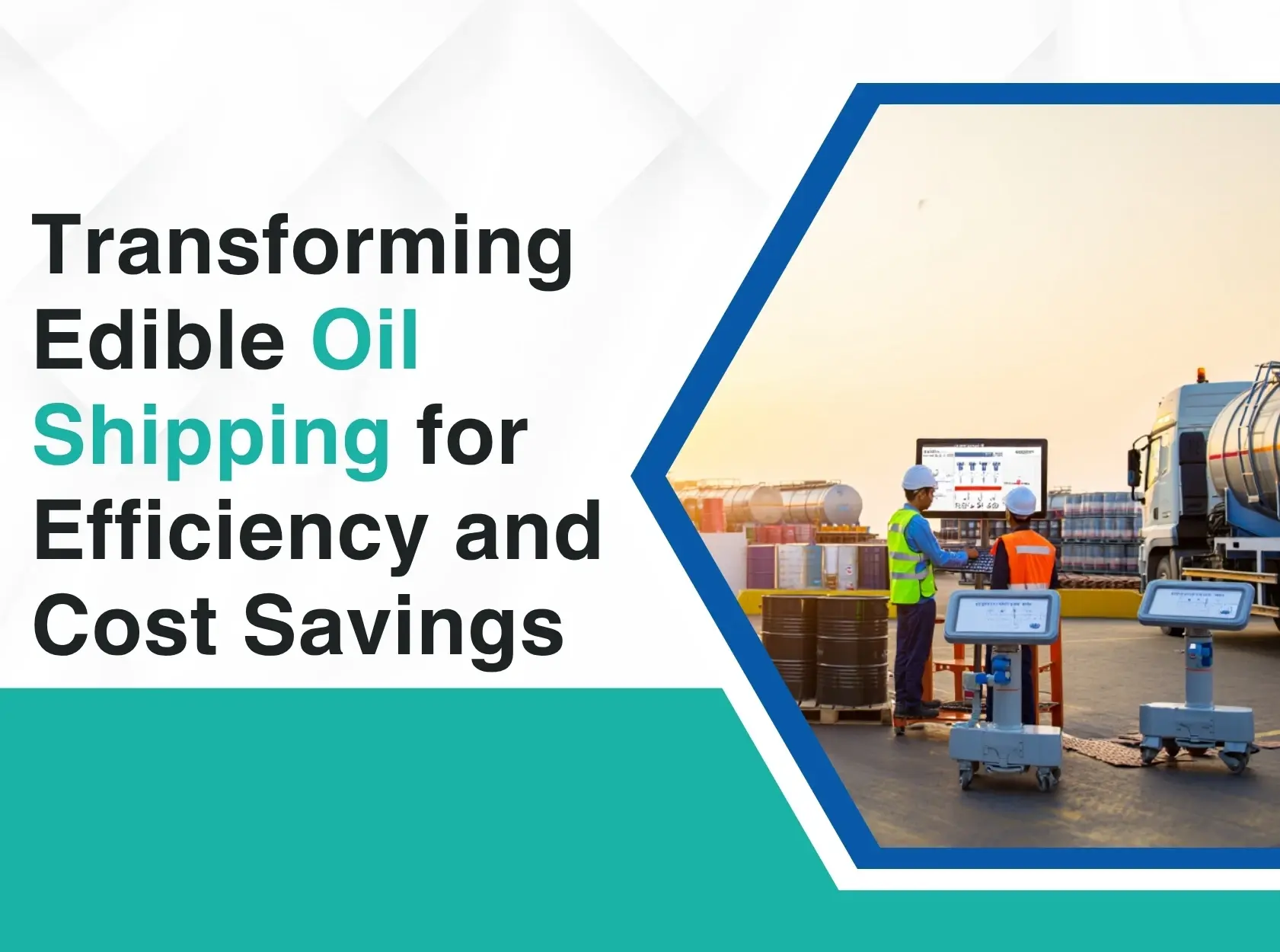
In India, edible oil is one of the most essential staple products, manufactured largely by…
Read More
The digitization process has been rapidly accelerating, particularly in recent years with the mass introduction…
Read More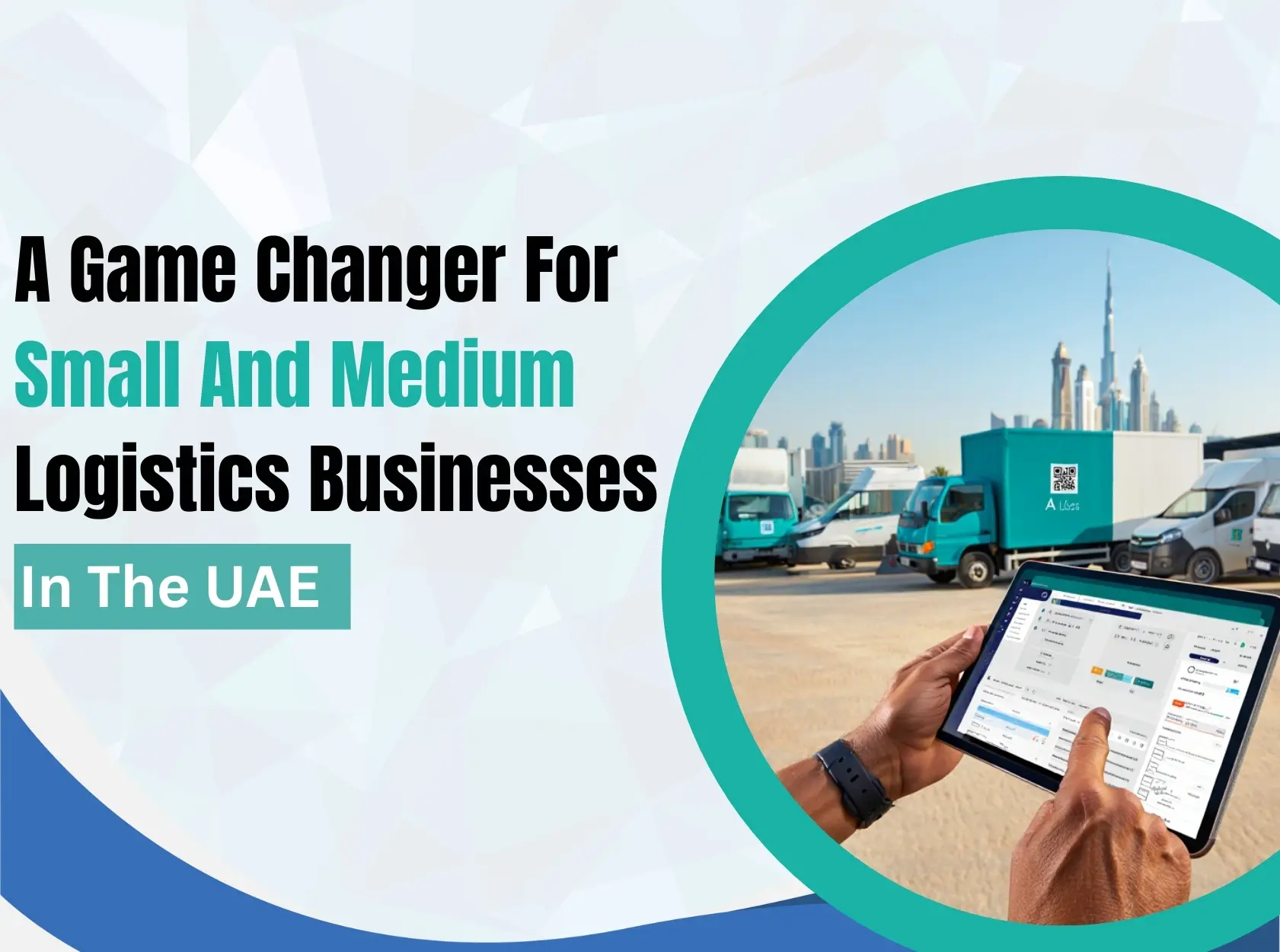
In the heart of the UAE where global trade routes converge, a revolution is underway.…
Read More
The world is going green, and transportation needs to catch up. In Dubai, where the…
Read More
In today’s fast-paced logistics world, fleet management software is evolving beyond basic GPS tracking. With…
Read More
Technology is transforming logistics in a profound way, making it one of the largest users…
Read More
The logistics landscape is evolving rapidly, with technology transforming every facet of the supply chain.…
Read More
In today’s fast-paced business environment, the ability to deliver goods efficiently and accurately is paramount.…
Read More
Logistics is a department often seen as disorganized and neglected when it comes to digitization,…
Read More
Every logistics service provider is deeply involved in numerous operational activities and the handling of…
Read More
In today's fast-paced world, where consumer needs are constantly evolving, transport owners are working tirelessly…
Read More
The Open Network for Digital Commerce (ONDC) is a groundbreaking initiative by the Government of…
Read More
What is ULIP? The Unified Logistics Interface Platform (ULIP) is a major initiative under PM…
Read More
Shipment visibility, a term that’s becoming increasingly significant in logistics, refers to the ability to…
Read More
Transport Management Solutions can be challenging for any enterprise involved in manufacturing or distributing goods…
Read More
Transportation has been integral to human civilization for centuries. Goods have been transported on donkeys,…
Read More
Transport management solutions are essential for running a smooth and efficient business that relies on…
Read More
Fleet management solution are really important for any business that uses vehicles. They help you…
Read More
The realm of logistics poses multifaceted challenges, each requiring a nuanced solution. These challenges span…
Read More
Subscribe to our Newsletter


© Spinclabs Pvt Ltd 2025. All Rights Reserved.