The Role of Digitisation in Controlling In-Transit Damage & Shortages

Reducing In-Transit Damage & Shipment Shortages Through Logistics Digitisation

In-transit damage and shipment shortages are among the most persistent challenges in logistics operations. Whether you’re a manufacturer, distributor, or retailer, these issues quietly erode margins, delay deliveries, and strain customer relationships.

What makes it worse? Most damage and shortage incidents are discovered after delivery, when it’s already too late to act—and disputes begin.

Why This Problem Hurts More Than You Think

  • Financial losses due to claims, re-shipments, and write-offs
  • Delays in billing and payment cycles
  • Customer dissatisfaction and loss of trust
  • Internal blame between warehouse, transporters, and operations teams
  • Limited visibility into where and why issues occurred

Manual processes, paper-based documentation, and delayed reporting only amplify these risks.


How Digitisation Changes the Game

Digitising logistics execution helps organizations shift from reactive firefighting to proactive control. Modern logistics platforms address damage and shortage risks at every stage of the journey:

1. Strong Pre-Dispatch Controls

Digital vehicle checks, load verification, and photo-based documentation ensure goods leave the facility in the right condition, creating a clear baseline before transit begins.

2. Smarter Load Optimisation

Optimised load planning reduces overstacking, imbalance, and unnecessary movement inside the vehicle—common causes of in-transit damage.

3. Real-Time Visibility During Transit

Live tracking and route monitoring help identify delays, deviations, or risky transit conditions early, allowing teams to intervene before issues escalate.

4. Digital Proof of Delivery (POD)

Time-stamped, geo-tagged PODs with image capture help instantly identify shortages or damages at delivery—minimising disputes and accelerating resolution.

5. Automated Exception Alerts

Automated alerts notify teams in real time about delivery exceptions, route deviations, or delays, enabling
faster corrective action instead of delayed discovery.


How Spinclabs Helps

Spinclabs’ logistics and fleet digitisation solutions bring all these capabilities onto a single platform.
From pre-dispatch validation to real-time trip monitoring and digital PODs, logistics teams can:

  • Reduce in-transit damage and shortage claims
  • Improve accountability across stakeholders
  • Speed up issue detection and resolution
  • Build transparent, data-backed delivery operations

The result? Fewer disputes, happier customers, and stronger operational control.

Damage and shortages may never disappear entirely—but with the right digital systems in place, they can be measured, managed, and significantly reduced.

👉 If you’re looking to strengthen control and visibility across your deliveries, let’s explore how digitisation can fit into your existing logistics setup.
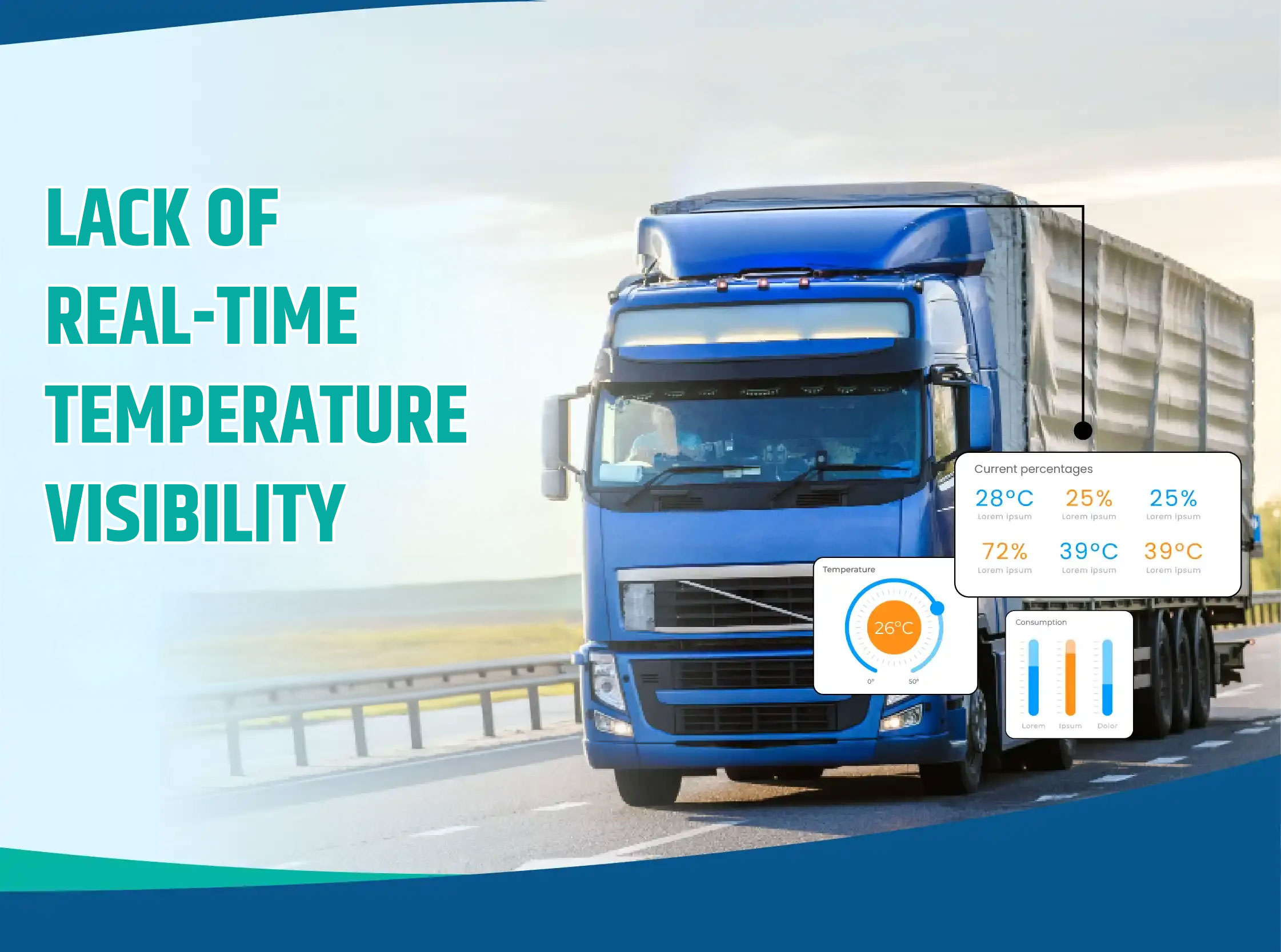
Lack of Real-Time Temperature Visibility: A Hidden Risk in Frozen Food Logistics

Why Temperature Control is Critical for Dairy Products & Frozen Snacks in Quick-Commerce

Dairy products and frozen snacks like samosas and patties are extremely sensitive to temperature fluctuations.
Even short deviations outside the recommended range can impact product quality, shelf life, and food safety.

The quick-delivery e-commerce model in metro cities has further amplified this risk due to higher order velocity,
micro-fulfilment hubs, and last-mile delivery constraints. When an entire lot of food items is spoiled,
the impact extends well beyond immediate revenue loss.

Key Business Risks of Temperature Fluctuations

Customer Satisfaction is Impacted

Repeated delivery of compromised products leads to loss of customer confidence. In quick-commerce, where convenience
is the primary value proposition, trust once broken is difficult to rebuild.

Brand Reputation Damage

With platforms such as Swiggy and Zepto acting as intermediaries, brands lose direct customer interaction.
Negative experiences are attributed to the brand, even when customer service remediation is controlled by the platform.

Regulatory & Compliance Risks

  • Food safety non-compliance due to temperature abuse
  • FSSAI scrutiny and regulatory penalties
  • Product recalls
  • Legal liability in case of consumer illness

The Digital Solution: Real-Time Temperature Monitoring

Implementing IoT-based temperature and humidity sensors across reefer trucks and cold storage facilities enables
continuous monitoring throughout the supply chain.

Key Capabilities Include:

  • Live temperature tracking during transportation and storage
  • Instant alerts when readings cross predefined thresholds
  • Remote intervention such as adjusting cooling settings or rerouting vehicles
  • Data logs for audits, compliance, and quality assurance

This approach shifts temperature management from reactive inspection to proactive control.


Operational and Business Benefits

With real-time visibility in place, organizations can:

  • Reduce spoilage and product loss
  • Prevent last-mile delivery rejections
  • Improve adherence to cold-chain standards
  • Gain actionable data to optimize routes and equipment performance

Most importantly, teams can act before product quality is compromised, not after.


How Spinclabs Helps

Spinclabs’ temperature monitoring solution provides end-to-end visibility across vehicles and warehouses,
helping cold-chain operators monitor conditions in real time and respond quickly to exceptions.

If you’re exploring ways to strengthen temperature control in your frozen food operations,
we’d be happy to discuss how real-time monitoring can fit into your existing logistics setup.