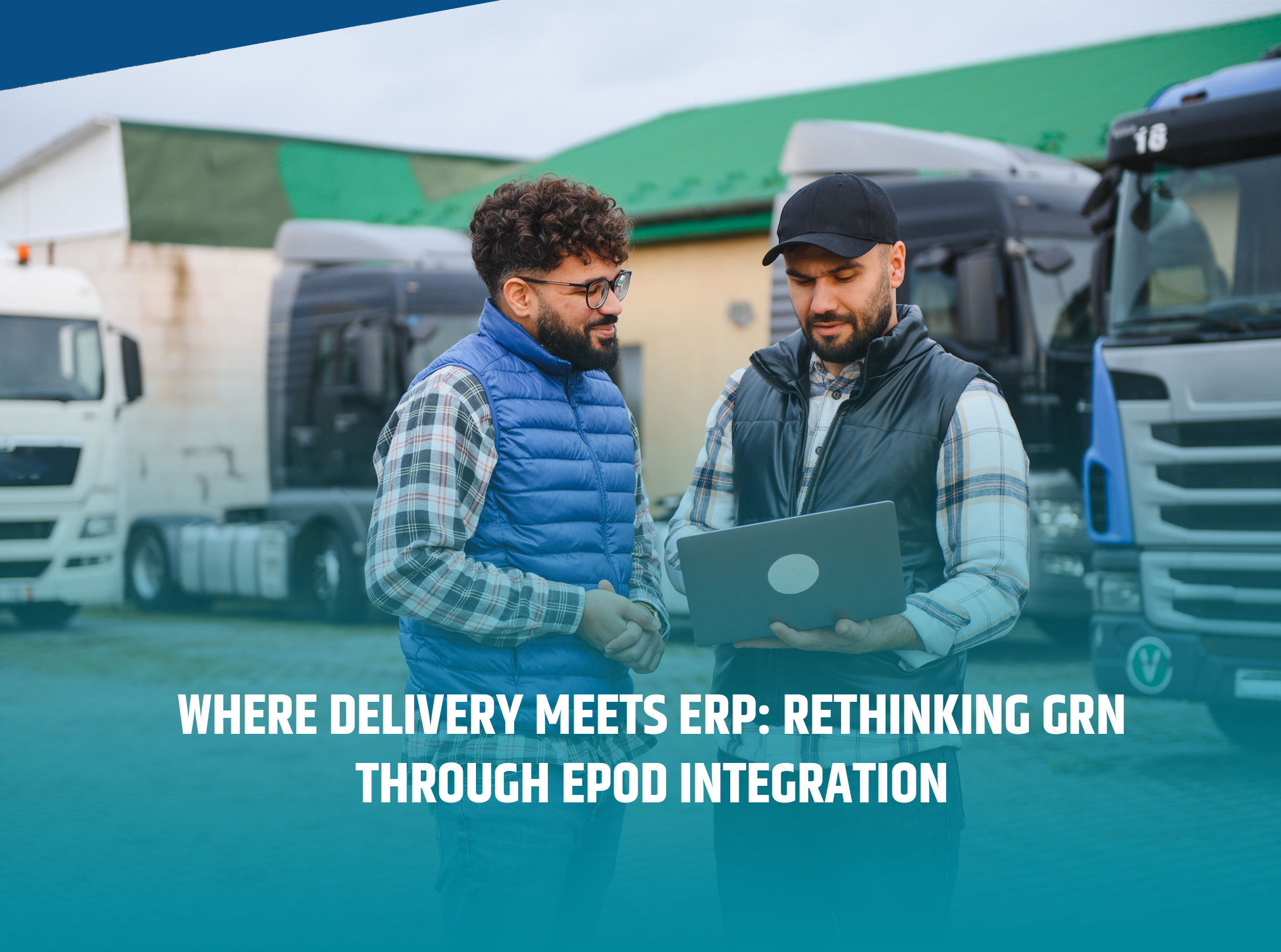
Where Delivery Meets ERP: Rethinking GRN Through ePOD Integration

Delivery may feel complete when the truck reaches the customer location—but operationally, that’s only half the journey.

In logistics operations, delivery is truly complete only when it is recorded, validated, and accepted inside the ERP system.

Every day, thousands of shipments are delivered across warehouses, distributors, and customer locations. But between physical delivery and ERP confirmation lies a silent operational gap.

This gap—often overlooked—directly impacts billing cycles, working capital, and operational efficiency.

Let’s explore how traditional delivery-to-GRN workflows create bottlenecks—and how ePOD integration is redefining delivery as a real-time system event.


The Silent Gap Between Delivery and ERP

In a typical logistics workflow, delivery and system updates do not happen simultaneously.

Instead, there is a delay between physical delivery and ERP acknowledgment.

1. Manual Proof of Delivery Handling

In traditional operations, once the shipment reaches the customer location, the driver collects a physical Proof of Delivery (POD).

This document is then shared through phone calls, emails, or messaging apps before reaching warehouse or accounts teams.

Only after verification does the team create the GRN (Goods Receipt Note) inside the ERP.

This multi-step manual process introduces delays and increases operational dependencies.

2. Disconnected Execution and System Visibility

Delivery may happen on the ground, but the ERP system remains unaware until someone manually updates the data.

This disconnect between execution and system recording creates visibility gaps across logistics, warehouse, and finance teams.

As a result, companies often experience:

  • Delayed GRN creation
  • Dependency on multiple teams
  • Lack of real-time delivery visibility
  • Missing or misplaced delivery documents
  • Slower invoice processing

Even a delay of a few hours can significantly affect cash flow in high-volume logistics operations.


Why Traditional GRN Processes Create Bottlenecks

Even organizations using advanced ERP systems like SAP often depend on manual validation before GRN creation.

This introduces operational inefficiencies that slow down financial workflows.

1. Dependency on Multiple Stakeholders

GRN creation typically involves coordination between drivers, warehouse teams, and finance departments.

Each dependency adds time to the process, increasing the chances of communication delays.

2. Delayed ERP Data Entry

Manual entry of delivery confirmation into ERP systems often leads to delayed updates.

Until GRN is created, downstream processes such as invoicing and reconciliation cannot begin.

3. Increased Reconciliation Efforts

Since delivery data is captured outside the ERP initially, teams must manually reconcile logistics records with ERP data.

This creates additional administrative workload and increases the risk of inconsistencies.

In short, delivery may be completed physically—but from a system perspective, it remains pending.


How ePOD Transforms Delivery Into a Real-Time System Event

Electronic Proof of Delivery (ePOD) fundamentally changes how delivery events are captured and processed.

Instead of treating POD as a document that moves after delivery, ePOD treats delivery as a real-time digital event.

1. Instant Digital Proof Capture

With ePOD systems, drivers capture delivery confirmation digitally using mobile devices.

This includes:

  • Timestamp recording
  • Location validation
  • Customer acknowledgment
  • Digital proof storage

All delivery data becomes instantly available within the system.

2. Direct Integration With ERP Systems

With real-time electronic proof of delivery integration with ERP, delivery confirmation flows directly into the system.

This allows GRN creation to be triggered automatically without manual follow-ups.

The result is faster, more reliable delivery-to-system synchronization.


How ePOD Enables Automated GRN and Faster Billing

The true strength of ePOD lies in its ability to connect field execution with ERP workflows.

This integration significantly improves financial efficiency and operational speed.

1. Instant GRN Triggering

Delivery confirmation automatically initiates GRN posting inside ERP systems.

This eliminates manual dependency and reduces process delays.

2. Accelerated Invoice Cycles

With GRN available in real time, billing teams can generate invoices immediately.

This reduces revenue delays and improves financial performance.

3. Reduced Operational Dependencies

Digital workflows minimize the need for repeated calls, emails, and manual validation between teams.

Operations become faster and more predictable.

4. Improved Data Accuracy

Digital capture reduces the risk of errors caused by manual entry or lost paperwork.

Reliable data improves audit readiness and reporting accuracy.

5. Enhanced Working Capital Efficiency

Faster GRN and billing cycles directly improve cash flow and reduce working capital blockage.

This enables businesses to operate more efficiently at scale.


From Disconnected Processes to Unified Operations

The transformation driven by ePOD is not just automation—it is integration across the entire logistics ecosystem.

With end-to-end delivery-to-ERP integration, organizations gain real-time synchronization between field operations and enterprise systems.

This enables:

  • Real-time synchronization between delivery and ERP workflows
  • Seamless coordination across logistics, warehouse, and finance teams
  • Complete visibility into delivery and system updates
  • Data-driven operational decision-making

This eliminates the traditional lag between “delivery completed” and “delivery recorded.”


Why This Shift Is Critical for Modern Supply Chains

Today’s logistics environment demands speed, transparency, and operational precision.

Manual delivery confirmation processes can no longer support the complexity of modern supply chains.

Businesses today face increasing pressure to:

  • Provide faster billing and customer transparency
  • Maintain tighter control over working capital
  • Ensure real-time operational visibility
  • Improve accuracy across logistics workflows

Digital transformation in logistics is no longer limited to tracking shipments.

It now involves ensuring that every operational event is instantly reflected inside core enterprise systems.


Turning Delivery Into a Real-Time Business Event

Delivery is no longer just a physical milestone—it is a critical data event that must seamlessly flow into ERP systems.

Organizations that adopt digital proof of delivery solutions gain faster processes, improved visibility, and stronger financial control.

This is where Spinclabs plays a vital role.

By enabling real-time ePOD integration with ERP platforms such as SAP, Spinclabs helps organizations bridge the gap between on-ground logistics execution and system-level updates.

From automated GRN creation to faster invoice processing, the platform ensures that delivery is not just completed—but instantly reflected across the business ecosystem.

As modern supply chains continue to evolve, success will depend not only on delivering on time—but ensuring that systems know it at the same moment.


👉 If your logistics operations still rely on manual POD-to-GRN workflows, it may be time to explore ePOD-enabled solutions that provide real-time integration, faster billing cycles, and stronger operational visibility.

Why FMCG Supply Chains Still Run on Excel (And Why That’s Dangerous)

The FMCG industry moves fast—sometimes faster than the systems that support it.

Every day, thousands of products move from factories to distributors, warehouses, retailers, and finally to customers. This constant movement requires coordination, visibility, and quick decision-making.

Yet surprisingly, many FMCG companies still rely heavily on Excel spreadsheets to manage critical supply chain operations.

While Excel may feel familiar and convenient, it creates serious risks when used to manage complex logistics operations. What once worked for small operations can quickly become a bottleneck as businesses grow.

Let’s explore why Excel is still widely used in FMCG supply chains—and why continuing to depend on it can be dangerous.


Why FMCG Companies Still Use Excel

Despite the availability of modern logistics platforms, Excel remains deeply embedded in supply chain processes.

1. Familiarity and Comfort

Excel has been around for decades. Most operations and logistics teams are comfortable using it, and many companies already have large data sets stored in spreadsheets.

Because of this familiarity, teams often prefer to continue using Excel rather than adopting new systems that require training and process changes.

However, familiarity does not always translate into efficiency—especially when operations become more complex.

2. Lack of Integrated Technology

Many FMCG companies operate with multiple disconnected systems such as ERP platforms, warehouse operations, transport vendors, and distributor networks.

Without an integrated platform connecting these systems, teams often rely on Excel as a manual bridge to compile and manage data from different sources.

The result is that logistics teams spend more time collecting and updating information than actually making supply chain decisions.

3. Perceived Cost of Digital Transformation

Some organizations hesitate to implement modern logistics technologies due to concerns about costs or implementation complexity.

Excel appears to be a low-cost solution because it already exists within the organization. However, the hidden costs of inefficiencies, delays, and operational errors can be significantly higher over time.


The Hidden Risks of Running Supply Chains on Excel

What works for basic tracking can quickly become risky when managing high-volume FMCG operations.

1. Lack of Real-Time Visibility

Excel spreadsheets provide only static snapshots of data.

Once a file is saved or shared, the information can quickly become outdated. In FMCG supply chains where deliveries, inventory levels, and vehicle movements change constantly, delayed information can lead to poor decision-making.

Without real-time visibility, companies often struggle to answer critical questions such as:

  • Where is my shipment right now?
  • Are deliveries running on schedule?
  • Which orders are delayed?

2. High Risk of Manual Errors

Excel relies heavily on manual data entry, which increases the likelihood of human errors.

A small mistake—such as an incorrect formula, duplicate entry, or misplaced column—can disrupt planning decisions, inventory allocation, or delivery schedules.

In large FMCG networks managing thousands of shipments daily, even minor errors can create significant operational challenges.

3. No End-to-End Supply Chain Visibility

Modern supply chains involve multiple stakeholders, including manufacturers, warehouses, transporters, distributors, and retailers.

Excel files rarely provide full visibility across the entire supply chain. Instead, data becomes fragmented across departments and multiple spreadsheets.

This lack of visibility often leads to:

  • Delayed deliveries
  • Poor demand planning
  • Inefficient route utilization
  • Increased logistics costs

4. Limited Scalability

As FMCG companies expand into new markets or increase distribution volumes, spreadsheet-based workflows become increasingly difficult to manage.

More orders mean more spreadsheets, more manual updates, and more coordination challenges.

At scale, Excel simply cannot handle the complexity of modern logistics operations efficiently.


Why Modern FMCG Supply Chains Need Smarter Platforms

Today’s supply chains require real-time data, automation, and intelligent decision-making capabilities.

Modern digital logistics platforms combine transportation planning, shipment tracking, route optimization, and performance analytics into a unified ecosystem.

Instead of manually updating spreadsheets, supply chain teams gain:

  • Real-time shipment tracking
  • Automated delivery planning
  • Integrated fleet and distributor visibility
  • Data-driven operational insights

These capabilities help organizations shift from reactive operations to proactive supply chain management.


Moving Beyond Excel for Future-Ready Supply Chains

Excel will always remain a useful tool for data analysis and reporting. However, relying on it to manage complex logistics operations is becoming increasingly risky.

For FMCG companies operating in competitive markets, efficiency and visibility are no longer optional—they are essential for sustainable growth.

By adopting modern transportation and logistics management platforms, businesses can streamline operations, reduce errors, and ensure that products reach customers faster and more reliably.

As supply chains continue to grow in scale and complexity, the real question is no longer whether FMCG companies should move beyond spreadsheets—but how soon they can make the transition.


👉 If your FMCG supply chain still depends heavily on spreadsheets, it may be time to explore modern logistics solutions that provide real-time visibility, automation, and scalability for future growth.

Transport Management Systems (TMS): The Missing Layer Between ERP and Transporters

Transport Management Systems (TMS): The Missing Layer Between ERP and Transporters

Modern businesses rely heavily on ERP systems to manage orders, inventory, and finance. However, when it comes to logistics operations, many companies still depend on manual coordination with transporters.

Orders may be created inside the ERP, but shipment planning, transporter coordination, and delivery tracking often happen through phone calls, spreadsheets, or messaging apps.

This gap between internal systems and external transport operations is exactly where a Transport Management System (TMS) becomes essential.

A TMS connects your ERP system with transport partners, creating a seamless workflow from order creation to final delivery.


Why This Gap Creates Operational Challenges

When transportation activities are handled outside the ERP system, logistics teams face several operational problems:

  • Heavy reliance on calls, emails, and spreadsheets for shipment coordination
  • Limited visibility into shipment status and vehicle movement
  • Difficulty managing multiple transporters and vehicle types
  • Frequent freight billing disputes due to manual calculations
  • Lack of reliable data for analyzing transporter performance

ERP systems are designed to manage business transactions such as orders, invoices, and inventory. But transportation is a dynamic process involving multiple external partners, routes, vehicles, and real-time events.

Without a dedicated system, logistics teams are forced to manage transport operations manually.


How a Transport Management System (TMS) Bridges the Gap

A Transport Management System acts as the operational layer between ERP systems and transport partners. It helps businesses plan, execute, and monitor shipments through a single digital platform.

Instead of managing logistics across disconnected tools, teams can handle the entire transportation workflow inside one system.

1. Automated Shipment Planning

Orders created in the ERP can be automatically converted into shipments. The system can also consolidate orders and optimize vehicle utilization, reducing empty space and unnecessary trips.

2. Smart Transporter Allocation

A TMS can assign the most suitable transporter based on route, cost, vehicle availability, and past performance—removing the need for manual coordination.

3. Freight Rate Management

Predefined freight contracts and rate cards allow transportation costs to be calculated automatically, minimizing errors and saving time.

4. Real-Time Shipment Visibility

Logistics teams gain live visibility into shipments during transit, reducing the need for constant phone calls and manual follow-ups.

5. Digital Proof of Delivery (POD)

Time-stamped and digitally captured delivery confirmations ensure accurate documentation and help resolve disputes quickly.

6. Freight Billing and Settlement

Freight invoices can be validated against shipment records, helping businesses avoid overbilling and maintain financial accuracy.


Signs Your Business May Need a TMS

Many organizations recognize the need for a Transport Management System only after logistics operations start becoming difficult to control.

Some common indicators include:

  • Logistics teams spending excessive time coordinating shipments manually
  • Limited visibility into the status of goods in transit
  • Frequent freight billing discrepancies
  • Difficulty evaluating transporter performance
  • Lack of accurate freight cost tracking
  • Heavy dependence on spreadsheets and phone calls

If these challenges sound familiar, implementing a TMS can significantly improve operational efficiency.


Key Benefits of Implementing a TMS

Businesses that implement a Transport Management System often see measurable improvements across their logistics operations.

  • Better Shipment Visibility – Track shipments from dispatch to delivery in one centralized system
  • Reduced Freight Costs – Optimize routes, consolidate shipments, and manage rates efficiently
  • Faster Logistics Operations – Automate shipment planning and transporter allocation
  • Improved Data Accuracy – Digital workflows reduce manual errors in documentation and billing
  • Stronger Transporter Collaboration – Clear shipment information improves coordination with logistics partners

ERP and TMS: Building a Complete Logistics Technology Stack

ERP systems remain critical for managing internal business processes, but they are not designed to handle detailed transportation operations.

When a Transport Management System is integrated with ERP, businesses gain a complete logistics technology stack.

ERP typically manages:

  • Orders
  • Inventory
  • Financial transactions

TMS manages:

  • Shipment planning
  • Transporter coordination
  • Trip tracking
  • Freight management

Together, these systems create a connected ecosystem that supports the entire journey—from order creation to final delivery.


The Future of Logistics Is Connected and Data-Driven

As supply chains grow more complex, businesses need better tools to manage transportation operations efficiently.

Manual coordination through spreadsheets, calls, and messaging apps is no longer sustainable for companies handling large shipment volumes.

A Transport Management System provides the control, visibility, and automation required to manage modern logistics operations.

For organizations looking to modernize their logistics processes, a TMS is no longer just an optional tool—it is the missing layer that connects ERP systems with the real-world movement of goods.

👉 If your logistics operations still rely heavily on manual coordination, it may be time to explore how a Transport Management System can transform the way you manage transportation.

The Role of Digitisation in Controlling In-Transit Damage & Shortages

Reducing In-Transit Damage & Shipment Shortages Through Logistics Digitisation

In-transit damage and shipment shortages are among the most persistent challenges in logistics operations. Whether you’re a manufacturer, distributor, or retailer, these issues quietly erode margins, delay deliveries, and strain customer relationships.

What makes it worse? Most damage and shortage incidents are discovered after delivery, when it’s already too late to act—and disputes begin.

Why This Problem Hurts More Than You Think

  • Financial losses due to claims, re-shipments, and write-offs
  • Delays in billing and payment cycles
  • Customer dissatisfaction and loss of trust
  • Internal blame between warehouse, transporters, and operations teams
  • Limited visibility into where and why issues occurred

Manual processes, paper-based documentation, and delayed reporting only amplify these risks.


How Digitisation Changes the Game

Digitising logistics execution helps organizations shift from reactive firefighting to proactive control. Modern logistics platforms address damage and shortage risks at every stage of the journey:

1. Strong Pre-Dispatch Controls

Digital vehicle checks, load verification, and photo-based documentation ensure goods leave the facility in the right condition, creating a clear baseline before transit begins.

2. Smarter Load Optimisation

Optimised load planning reduces overstacking, imbalance, and unnecessary movement inside the vehicle—common causes of in-transit damage.

3. Real-Time Visibility During Transit

Live tracking and route monitoring help identify delays, deviations, or risky transit conditions early, allowing teams to intervene before issues escalate.

4. Digital Proof of Delivery (POD)

Time-stamped, geo-tagged PODs with image capture help instantly identify shortages or damages at delivery—minimising disputes and accelerating resolution.

5. Automated Exception Alerts

Automated alerts notify teams in real time about delivery exceptions, route deviations, or delays, enabling
faster corrective action instead of delayed discovery.


How Spinclabs Helps

Spinclabs’ logistics and fleet digitisation solutions bring all these capabilities onto a single platform.
From pre-dispatch validation to real-time trip monitoring and digital PODs, logistics teams can:

  • Reduce in-transit damage and shortage claims
  • Improve accountability across stakeholders
  • Speed up issue detection and resolution
  • Build transparent, data-backed delivery operations

The result? Fewer disputes, happier customers, and stronger operational control.

Damage and shortages may never disappear entirely—but with the right digital systems in place, they can be measured, managed, and significantly reduced.

👉 If you’re looking to strengthen control and visibility across your deliveries, let’s explore how digitisation can fit into your existing logistics setup.

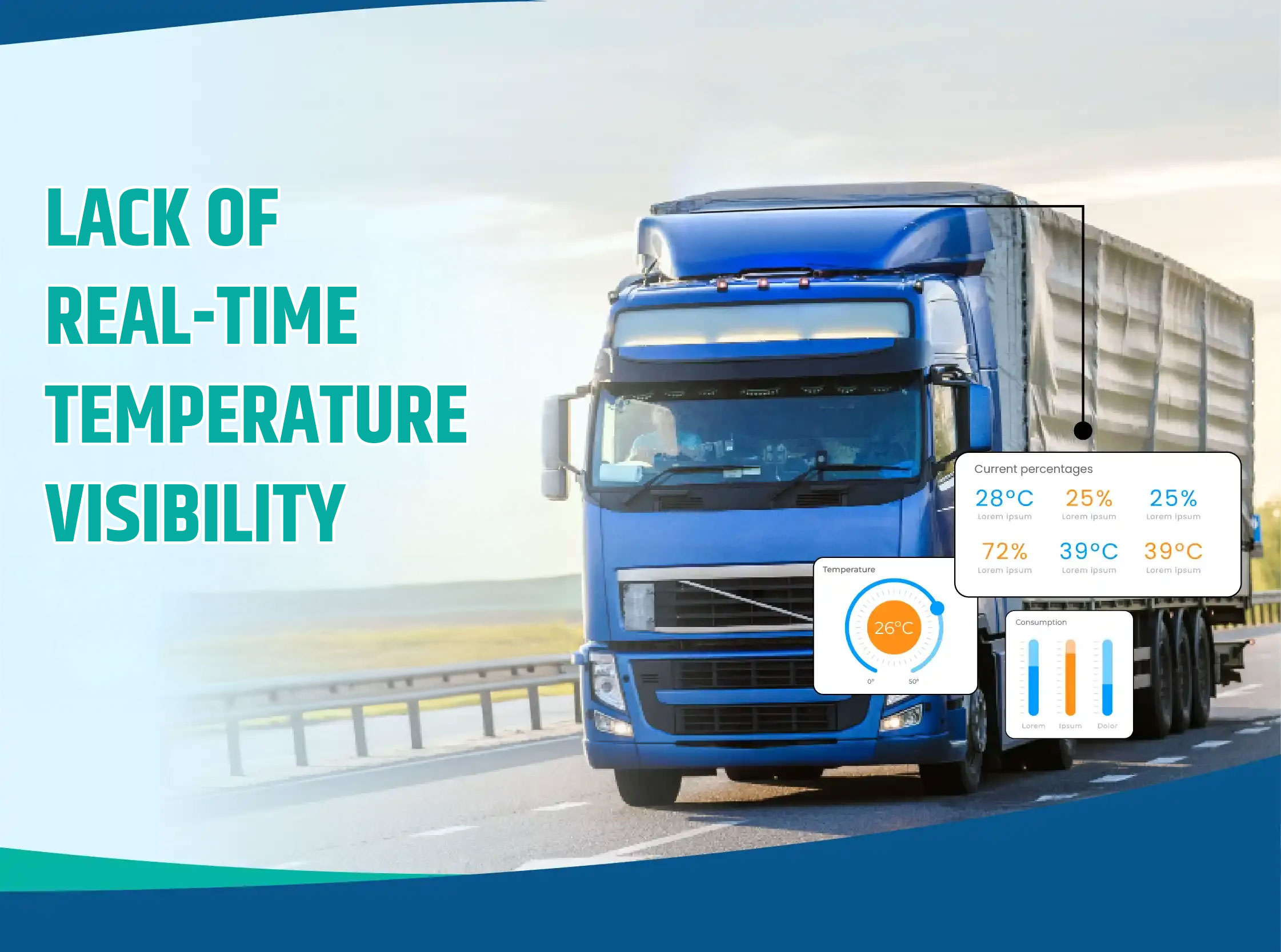
Lack of Real-Time Temperature Visibility: A Hidden Risk in Frozen Food Logistics

Why Temperature Control is Critical for Dairy Products & Frozen Snacks in Quick-Commerce

Dairy products and frozen snacks like samosas and patties are extremely sensitive to temperature fluctuations.
Even short deviations outside the recommended range can impact product quality, shelf life, and food safety.

The quick-delivery e-commerce model in metro cities has further amplified this risk due to higher order velocity,
micro-fulfilment hubs, and last-mile delivery constraints. When an entire lot of food items is spoiled,
the impact extends well beyond immediate revenue loss.

Key Business Risks of Temperature Fluctuations

Customer Satisfaction is Impacted

Repeated delivery of compromised products leads to loss of customer confidence. In quick-commerce, where convenience
is the primary value proposition, trust once broken is difficult to rebuild.

Brand Reputation Damage

With platforms such as Swiggy and Zepto acting as intermediaries, brands lose direct customer interaction.
Negative experiences are attributed to the brand, even when customer service remediation is controlled by the platform.

Regulatory & Compliance Risks

  • Food safety non-compliance due to temperature abuse
  • FSSAI scrutiny and regulatory penalties
  • Product recalls
  • Legal liability in case of consumer illness

The Digital Solution: Real-Time Temperature Monitoring

Implementing IoT-based temperature and humidity sensors across reefer trucks and cold storage facilities enables
continuous monitoring throughout the supply chain.

Key Capabilities Include:

  • Live temperature tracking during transportation and storage
  • Instant alerts when readings cross predefined thresholds
  • Remote intervention such as adjusting cooling settings or rerouting vehicles
  • Data logs for audits, compliance, and quality assurance

This approach shifts temperature management from reactive inspection to proactive control.


Operational and Business Benefits

With real-time visibility in place, organizations can:

  • Reduce spoilage and product loss
  • Prevent last-mile delivery rejections
  • Improve adherence to cold-chain standards
  • Gain actionable data to optimize routes and equipment performance

Most importantly, teams can act before product quality is compromised, not after.


How Spinclabs Helps

Spinclabs’ temperature monitoring solution provides end-to-end visibility across vehicles and warehouses,
helping cold-chain operators monitor conditions in real time and respond quickly to exceptions.

If you’re exploring ways to strengthen temperature control in your frozen food operations,
we’d be happy to discuss how real-time monitoring can fit into your existing logistics setup.