That Help Your Business

Discover how Spinclabs enhances transport management solutions to optimize operations, reduce costs, and improve efficiency. Contact us for expert help!

Transport Management Solutions can be challenging for any enterprise involved in manufacturing or distributing goods and products. Companies must manage their vehicle fleets, organize driver rosters, and monitor vehicle uptime (including maintenance or charge status for electric vehicles). Additionally, they must handle insurance and comply with various regulations related to Transport Management Solutions.
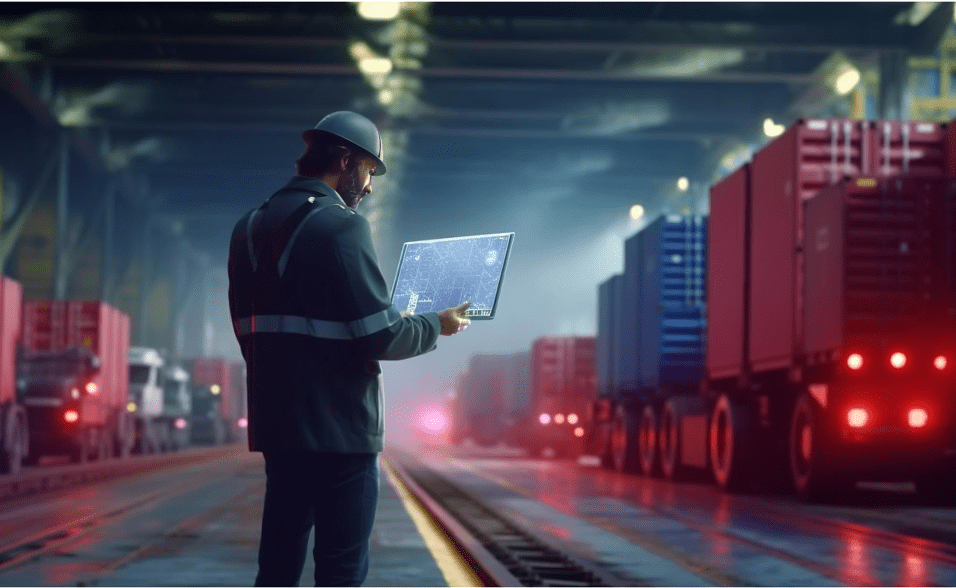

Initially, most companies manage their own fleet of vehicles for deliveries. However, as the business grows and delivery complexity increases, outsourcing delivery to third-party companies that specialize in goods delivery becomes more advantageous. An outsourced transportation system offers several key benefits:

  1. Operational Efficiency: Outsourcing eliminates the headache of managing fleet operations, such as roster management, insurance, and vehicle upkeep. This allows businesses to focus on their core competencies without being bogged down by logistical details.
  2. Capital Optimization: By outsourcing transportation, companies can free up capital that would otherwise be tied up in purchasing trucks or delivery vans. This capital can be better utilized towards working capital, fostering growth and innovation within the company.
  3. Consolidation of deliveries: Outsourced transportation companies can consolidate deliveries. For example, if a small (half-truck load) delivery needs to be sent to a customer, the transportation company can combine various deliveries, reducing overall costs.
  4. Compliance and Regulations: Transportation of goods requires adherence to various compliances, insurance needs, and a specialized understanding of state and country laws. Transportation companies are well-versed in these areas, saving businesses the trouble of developing these skills in-house.
  5. Price Discovery and Competitive Pricing: By outsourcing transportation, companies can request information or tender delivery services across multiple suppliers (transportation companies). This competitive process can result in better pricing for deliveries, positively impacting the company’s bottom line.


Beyond these primary benefits, outsourced transportation management solutions offers additional advantages, including:

  • Better resource allocation: Internal resources can focus on core business activities rather than logistics management.
  • Scalability: Easily scale transportation needs up or down based on business demands.
  • Access to advanced technology: Leverage the latest logistics technology without the need for significant investment.

At Spinclabs, we work with various companies to streamline their transportation management processes using cutting-edge technology. Our expertise can help set up a modern, efficient delivery system tailored to your business needs.

We encourage you to contact us to better understand how these technologies can help you and your business thrive in today’s competitive marketplace.

Also Read: How an SME Can Adopt ERP for Logistics
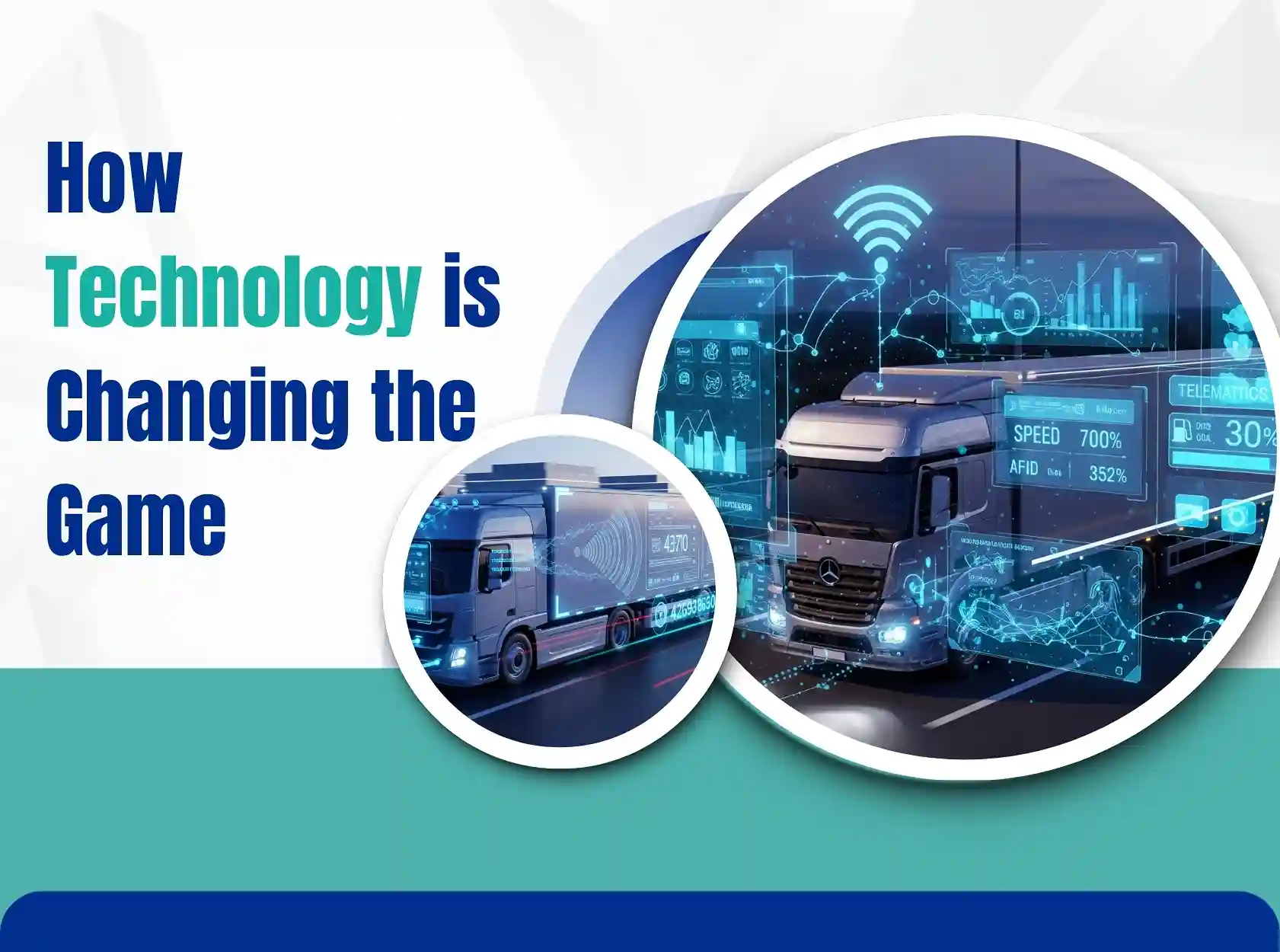
How Technology is Changing the Game

Explore how real-time shipment visibility, enabled by advanced technologies like GPS and mobile apps, optimizes logistics and enhances customer satisfaction.

Transportation has been integral to human civilization for centuries. Goods have been transported on donkeys, boats, humans, horse carriages, and, in today’s world, by motorized vehicles, airplanes, and large cargo ships. Over the past 25 years, the rise of e-commerce and next-day shipping initiated by logistics companies has transformed customer expectations. Nowadays, when purchasing an item online, customers can choose their preferred delivery time (morning, night, weekends, weekdays, etc.). This flexibility allows recipients to better plan their day and avoid waiting in anticipation for deliveries.

To facilitate this precise delivery timing, nearly all companies now offer real-time shipment visibility through mobile applications, websites, or notification services like SMS, WhatsApp, and LINE. Digital technology is the key enabler of this capability, and Spinclabs is at the forefront of building the digital framework necessary for delivery visibility and precise timing.

How Real-Time Tracking Works:

  1. GPS Integration: A GPS chip on a container or delivery vehicle tracks the latitude and longitude (Lat/Long) of the goods’ location.
  2. Data Transmission: This Lat/Long data is transmitted to a computer system (cloud/server) via telecommunications networks such as 4G, LTE, 5G, 6G, Wi-Fi, or satellite links.
  3. Mapping the Location: The Lat/Long coordinates are converted into a recognizable location using a mapping system. For example, 51.5072° N, 0.1276° W is translated into Central London, UK (near Trafalgar Square).
  4. Continuous Updates: As the vehicle moves, these coordinates continuously update, providing a real-time stream of the new location on the corresponding website or mobile application.

In the not-too-distant past, most of us had no visibility into the location of our goods once they were shipped. It felt like the shipment disappeared into a black hole, only to arrive days or months later. Technology has revolutionized this process, offering complete shipment visibility from origin to destination.

While real-time shipment visibility is common in last-mile delivery and e-commerce platforms, it is still lacking in many B2B companies due to insufficient GPS coverage or inadequate technology systems. Spinclabs addresses this gap by collaborating with telecommunications companies to use the driver’s mobile phone location as a proxy for goods movement, significantly reducing GPS hardware costs and simplifying the process (with the driver’s consent).


Benefits of Real-Time Shipment Visibility:

  • Enhanced Planning: Improves planning of goods and services.
  • Reduced Anxiety: Minimises waiting periods and uncertainty for customers.
  • Inventory Optimization: Facilitates better inventory planning, reducing costs.
  • Waste Reduction: Decreases obsolescence and wastage, especially for perishable goods.
  • Cost Efficiency: Ensures accurate pricing for carriers and vendors.
  • Simplified Compliance: Eases tax compliance, accounting, and audit processes.
  • Customer Satisfaction: Increases overall customer satisfaction.

Our Transport Management Services (TMS) provides real-time visibility and helps you optimize your logistics requirement to address all the modern day challenges. 

We invite you to contact us via phone or email to learn more about these technologies and how they can benefit your business globally.

Also Read: The Future of Transport Management Solutions

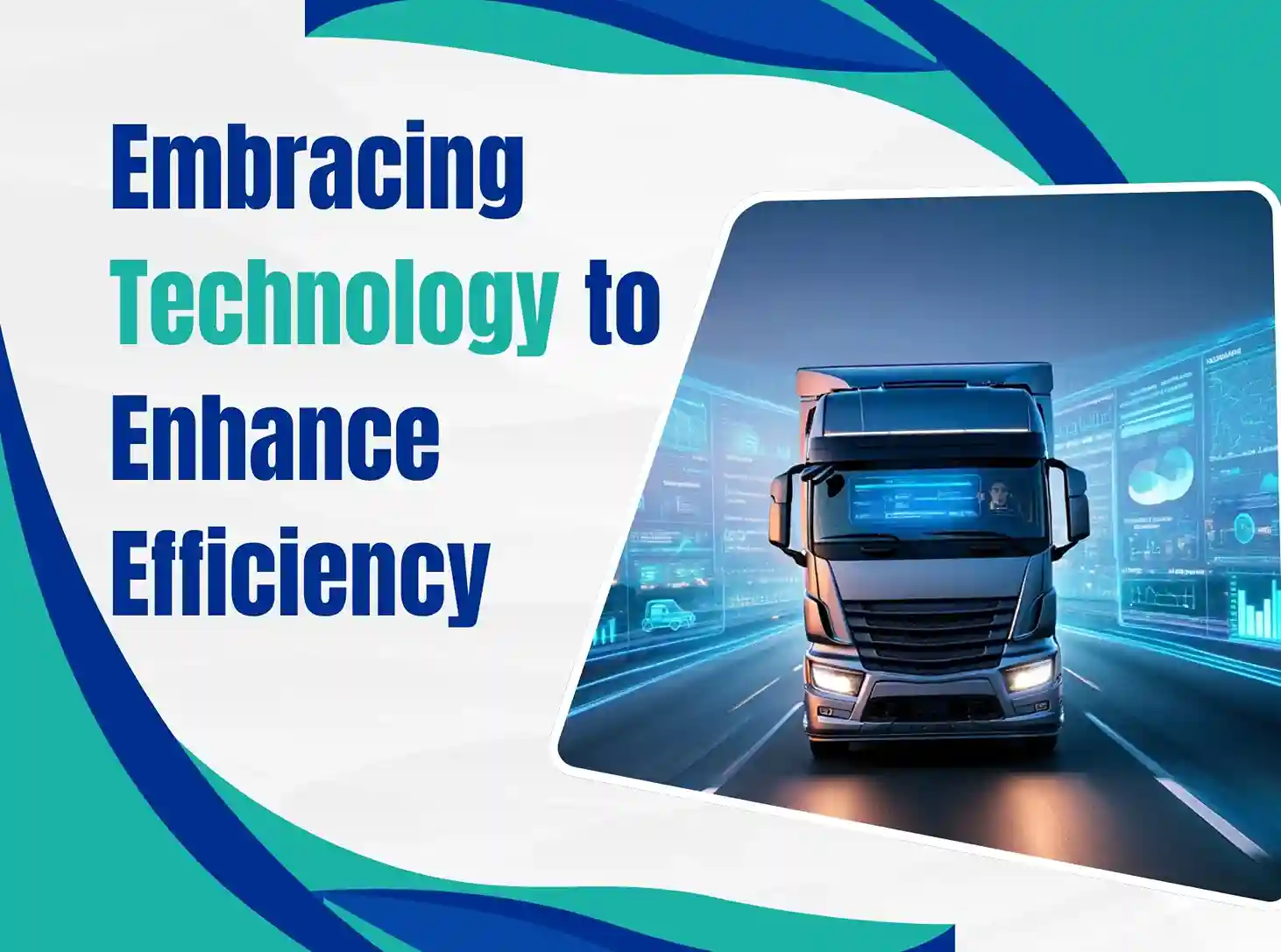
Embracing Technology to Enhance Efficiency

Discover how emerging technologies are reshaping Transport Management Solutions to optimize efficiency & logistics performance. For more information contact us!

Transport management solutions are essential for running a smooth and efficient business that relies on transportation. As technology advances, it’s clear that embracing new tools and systems will be key to staying ahead. In this blog, we’ll talk about how technology is shaping the future of transport management and making it more efficient.

Understanding Transport Management Solutions

Transport management solutions are systems that help businesses digitally manage their transportation. This includes everything from scheduling vehicles to tracking deliveries or planning routes. These solutions make logistics easier and more efficient, and technology is playing a bigger role in this every day.

The Current State of Transport Management

Traditionally, transport management involved a lot of manual processes and paperwork. Businesses often face challenges like delays, high costs, and inefficiencies. These problems made it hard to run smooth operations and keep customers happy.

Emerging Technologies in Transport Management

Artificial Intelligence (AI) and Machine Learning

Smart Route Planning: AI helps plan the best routes for deliveries, reducing travel time and fuel use.

Predictive Analytics: Machine learning can predict future demand, helping businesses prepare better and avoid delays.

Internet of Things (IoT)

Real-Time Tracking: IoT connects vehicles and logistics systems, allowing real-time tracking of shipments and vehicles.

Monitoring and Alerts: Sensors can monitor vehicle conditions and send alerts if there are issues, preventing breakdowns.

Blockchain Technology

Transparency and Security: Blockchain keeps records of all transactions and shipments, making them secure and easy to verify.

Preventing Fraud: It helps ensure that all records are accurate and tamper-proof, reducing the risk of fraud.

Autonomous Vehicles

Self-Driving Vehicles: These vehicles can drive themselves, reducing human errors and improving safety.

24/7 Operation: Autonomous vehicles can operate all day and night, increasing efficiency and delivery speed.

Big Data and Analytics

Data Collection: Collecting large amounts of data helps businesses understand patterns and trends in their operations.

Improving Performance: Analytics can identify areas for improvement, such as better maintenance schedules and optimized delivery routes, enhancing overall performance.


These technologies are transforming transport management by making operations faster, safer, and more efficient. Embracing these innovations can help businesses stay competitive and meet customer expectations more effectively.

Also Read: The Importance of Real-Time Visibility in Transport Management

Steps to Embrace Technology in Transport Management

  1. Assess Current Practices
    • Look at how you currently manage logistics operations. Identify what’s working well and where there are problems.
  2. Identify Suitable Technologies
    • Choose technologies that match your business needs, like AI for planning or IoT for tracking vehicles.
  3. Develop a Plan
    • Create a clear, step-by-step plan to introduce these new technologies into your operations.
  4. Train Your Team
    • Make sure your team understands how to use the new tools. Provide training sessions to get everyone up to speed.
  5. Monitor and Evaluate
    • After implementing the new technologies, keep track of their performance. Check if they are helping to improve efficiency and safety. Make adjustments as needed to ensure everything runs smoothly.

By following these steps, you can successfully integrate new technologies into your transport management and make your operations more efficient and effective.

Outcomes that Businesses Have Seen on Implementing a Robust Transport Management Solution

  1. Increased Efficiency: Businesses notice smoother operations and faster deliveries, as the system helps plan the best routes and schedules.
  2. Cost Savings: Reduce freight cost with better planning of routes and optimum usage of vehicle capacity.
  1. Better Customer Service: Improved delivery times and accurate tracking information keep customers happy and informed.
  2. Enhanced Safety: Fewer accidents and breakdowns due to regular vehicle maintenance and monitoring.
  3. Improved Compliance: Easier adherence to regulations and better record-keeping.
  4. Greater Visibility: Real-time tracking of vehicles and shipments, allowing for better management and quick responses to any issues.

Conclusion

Embracing technology in transport management is essential for staying competitive and efficient. Advanced transport management solutions can help businesses run more smoothly and save money.

At Spinclabs, we offer top-notch Transport Management Solutions designed to make your business more efficient and competitive. Visit our website to learn more about how we can help you embrace the future of transport management.

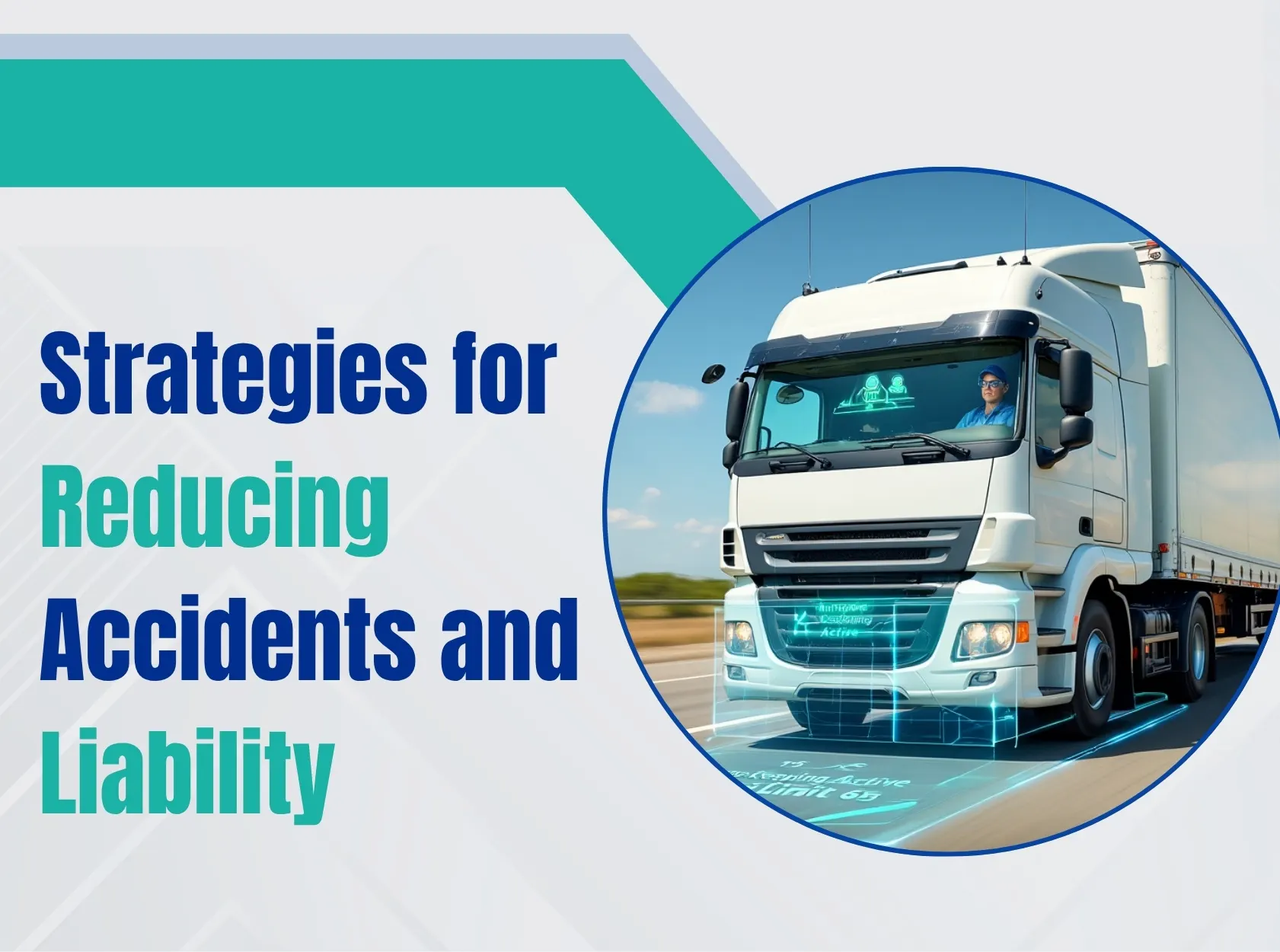
Strategies for Reducing Accidents and Liability

Discover key strategies to enhance driver safety with Spinclabs Fleet Management Solution, reducing accidents and improving efficiency.

Fleet management solution are really important for any business that uses vehicles. They help you track your cars and keep them running well. But the most important part is keeping your drivers safe. Making sure your drivers are safe can cut down on accidents and costs. In this blog, we’ll talk about why driver safety is so important and share some easy tips on how to reduce accidents and costs using fleet management solutions.

Understanding Fleet Management Solution

So, what are fleet management solutions? They are systems that help you manage your company’s vehicles. This includes tracking where your cars are, scheduling maintenance, and checking how your drivers are doing. These solutions help make everything work better and keep your business running smoothly. And a big part of this is making sure your drivers are safe.

The Impact of Driver Safety on Fleet Operations

When drivers aren’t safe, it can cause a lot of problems. Accidents can be very expensive and can hurt your company’s reputation. For example, motor vehicle crashes cost to companies every year. This includes costs for medical care, legal fees, property damage, and lost work time. So, keeping your drivers safe can save you a lot of money and trouble.

Key Strategies for Enhancing Driver Safety

1.Implementing Advanced Technology

Telematics Systems: Use technology that tracks how your drivers are driving. It can tell you if they are speeding, braking hard, or accelerating too fast.

GPS Tracking: Install GPS in your vehicles to know where they are at all times. This helps you make sure drivers are taking the safest routes.

In-Vehicle Monitoring Systems: Use systems that can alert drivers about potential dangers on the road, like if they are getting too close to another vehicle.

2. Regular Vehicle Maintenance

Routine Checks: Regularly check your vehicles to make sure they are in good condition. This includes checking the brakes, tires, lights, and other important parts.

Scheduled Repairs: Fix any issues with the vehicles as soon as they come up. Don’t wait for something to go wrong on the road.

Maintenance Tracking: Use fleet management solutions to keep track of all maintenance work. This helps ensure no checks or repairs are missed.

3. Establishing Clear Safety Policies

Written Rules: Write down all the safety rules your drivers need to follow. This could include things like no speeding, no texting while driving, and always wearing a seatbelt.

Reporting Problems: Have a clear process for drivers to report any safety issues or incidents. Make sure they know who to talk to and what to do if something goes wrong.

Consequences for Violations: Let drivers know what will happen if they break the safety rules. This helps ensure they take the rules seriously.

Also Read : Enhancing Fleet Performance with Real-Time Insights

4.Incentive Programs for safe Driving

Bonuses: Offer extra money to drivers who follow all the safety rules and have no accidents.

Awards: Give out awards or certificates to recognize safe drivers. This can be done monthly or yearly.

Public Recognition: Mention safe drivers in company meetings or newsletters. This makes them feel appreciated and encourages others to drive safely too.

These strategies are simple but very effective in making sure your drivers stay safe. By focusing on training, using technology, keeping vehicles in good shape, having clear rules, and rewarding safe driving, you can greatly reduce accidents and keep your fleet running smoothly.

Comparing Fleet Management Solution for Driver Safety

When looking at different fleet management solutions, check their safety features. Look for things like real-time monitoring, how easy they are to use, and how well they fit with your current systems. Some top solutions, like Verizon Connect, Geotab, and Samsara, have great safety features. These tools help you track driver performance, monitor vehicle health, and follow safety rules.

Implementing Fleet Management Solution for Enhanced Driver Safety

To start using fleet management solutions, first look at your current operations and see where you can improve. Pick a solution that fits your needs and works well with your current systems. Once it’s set up, keep an eye on how it’s working and make changes as needed to keep improving safety.

Conclusion

Driver safety is really important when it comes to fleet management solutions. By using good training programs, the latest tech, regular maintenance, clear safety rules, and incentives for drivers, you can really cut down on accidents and costs.

At Spinclabs, we offer comprehensive fleet management software that focus on enhancing driver safety and improving overall efficiency. Our advanced tools and technologies are designed to help you keep your fleet running smoothly and safely.

Want to learn more? Check out our Fleet Management Software and see how we can help your business thrive.